
TL;DR
Remote viewing research has produced some above-chance results in controlled studies, but the effect sizes are small and replication has been inconsistent, with serious methodological objections on both sides. The honest position is that the record neither proves nor disproves the phenomenon, and anyone claiming certainty in either direction is going past the evidence.
What the Remote Viewing Record Actually Shows
Remote viewing is the claim that a person can describe a distant or hidden target with no ordinary way of perceiving it. The research record is genuinely mixed: some controlled studies report results above chance, effect sizes tend to be small, and independent replication has been uneven. The honest conclusion is that the evidence neither confirms nor refutes the phenomenon, and most confident claims in either direction reach past what the studies actually support.

This is a topic people get wrong in two opposite ways. Treat every study as proof and you overstate a fragile record. Wave it all away and you ignore real work by trained researchers. Neither move holds up. Here's what's actually there.
What do remote viewing studies actually claim?
Stated plainly, the core claim is modest: under controlled conditions, a viewer's description of a target matches that target more often than chance would predict.

Photograph courtesy of Patricia Targ, Public domain
The most cited body of work comes from research conducted at Stanford Research Institute (SRI) starting in the 1970s, tied to physicists Harold Puthoff and Russell Targ. Their early protocols had a viewer describe a location while an experimenter traveled there.

Later work shifted to judging: independent judges tried to match written transcripts to the correct target from a set.
The U.S. government funded related work for years under a program eventually known as Star Gate. When it was reviewed and closed in the mid-1990s, an outside evaluation was commissioned as part of that process. Reports from that period indicate the two reviewers involved, statistician Jessica Utts and psychologist Ray Hyman, read the same data very differently. Utts concluded the statistical pattern was unlikely to be chance. Hyman argued that unidentified methodological flaws could still account for it. That split, coming from two careful people looking at identical evidence, tells you something about how contested this subject remains. Anyone interested should read the primary reports directly rather than relying on secondhand summaries, since characterizations of this review vary.
What has replication achieved, and what has it not?
Replication has achieved something, just less than enthusiasts hope and more than skeptics admit.
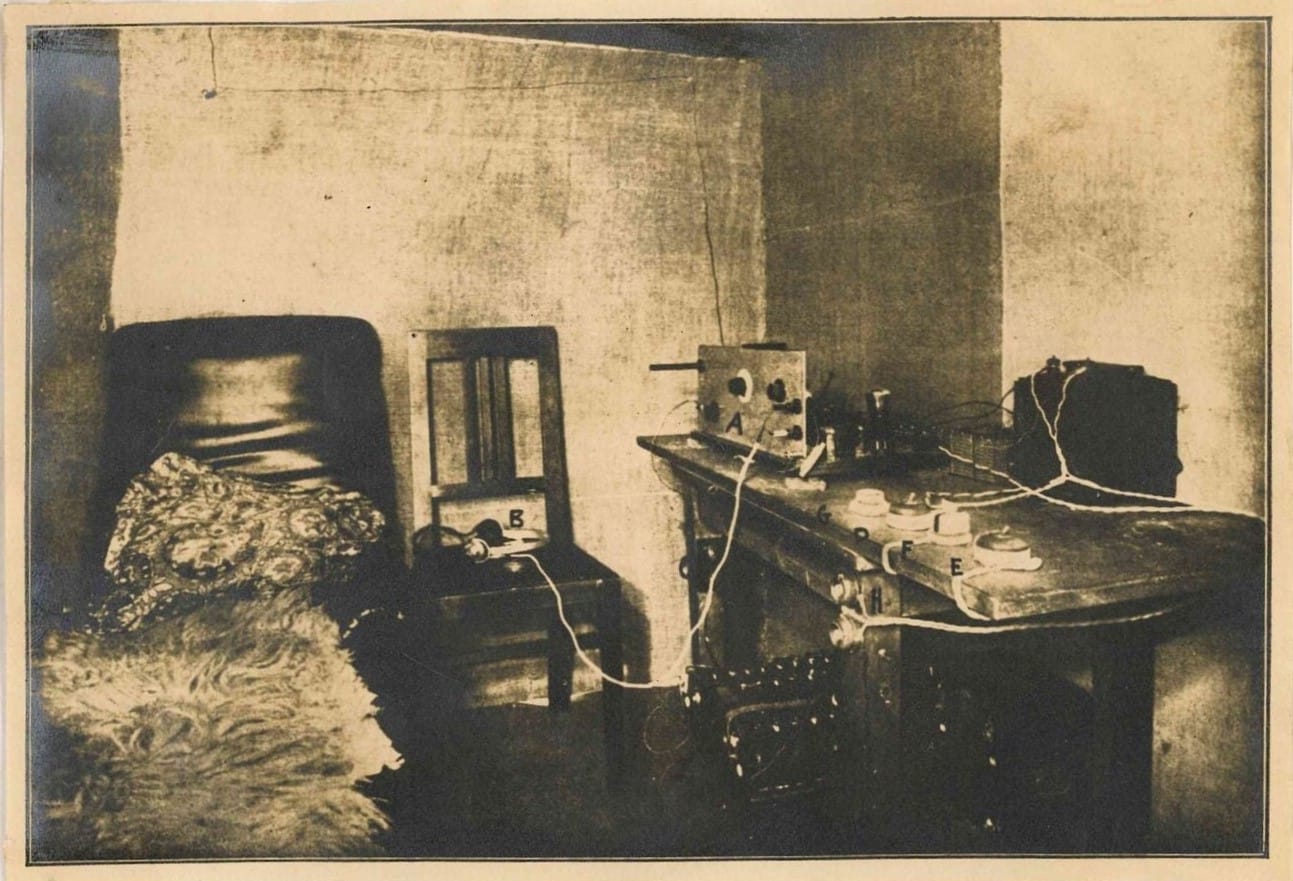
Photograph courtesy of Ferdinando Cazzamalli, Public domain
On the positive side, related work using standardized protocols, especially the ganzfeld telepathy experiments, has produced meta-analyses that some researchers (Dean Radin among them) report as showing hit rates above chance across multiple labs. Other researchers dispute those conclusions or the methods used to reach them.
On the cautious side, no single procedure exists that any competent lab can run and reliably reproduce on demand. Effect sizes stay small. Some attempted replications have failed outright. Meta-analyses themselves are contested, because how studies get selected and weighted can change the outcome. The field hasn't delivered the kind of push-button repeatability that settles questions in mainstream science.
So here's where things stand: a pattern in some data hasn't fully gone away under scrutiny, and no demonstration yet exists that's strong enough to convince the broader scientific community. Both can be true at once. This is an ongoing, unsettled debate, not a consensus in either direction.
What are the strongest methodological objections?
These objections are serious, and they're the reason careful people stay unconvinced rather than merely stubborn.
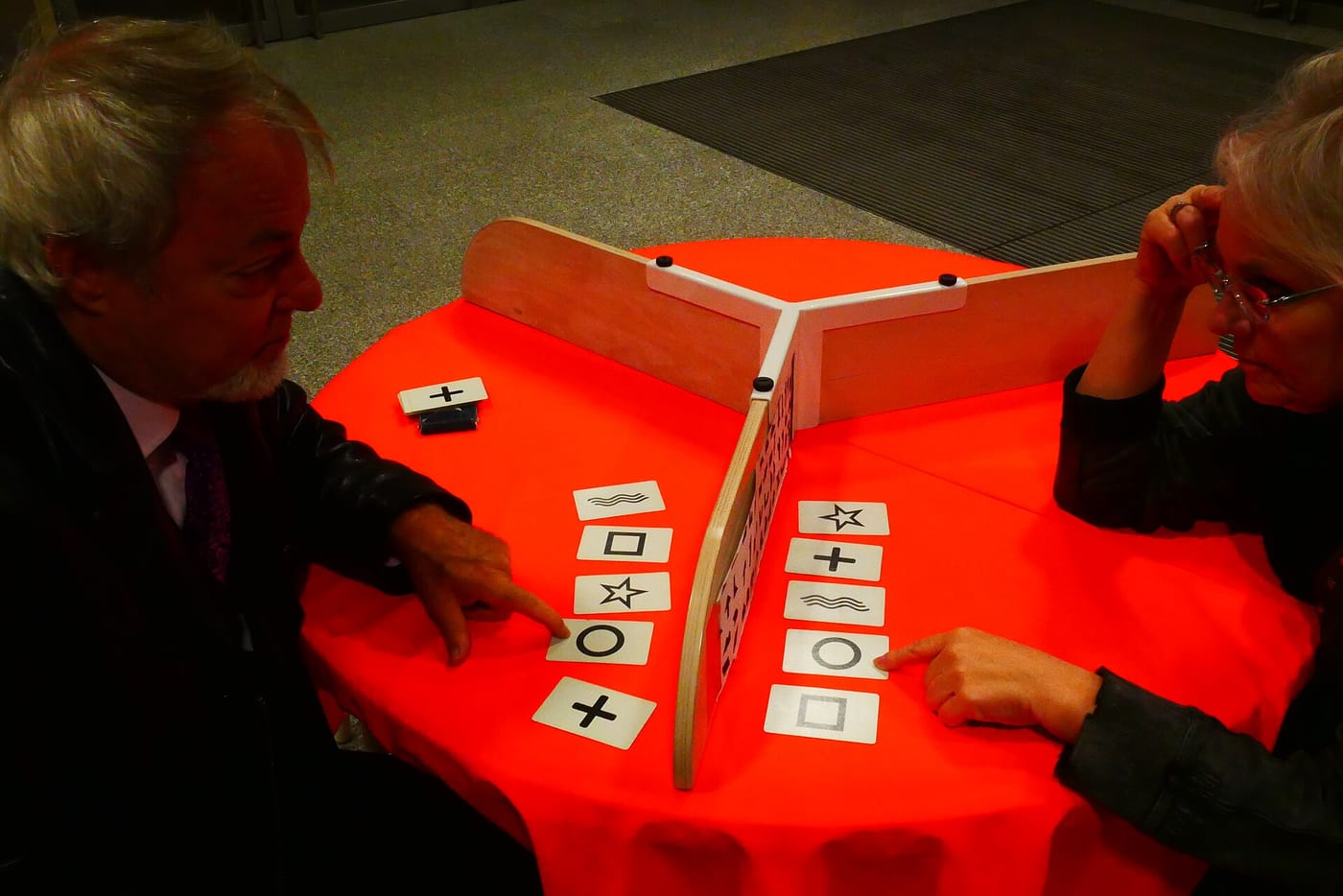
Photograph courtesy of Sgerbic, CC BY-SA 4.0
Sensory leakage. Critics have noted that early studies sometimes let subtle cues reach the viewer or the judge, things like handling marks on target materials or unintended hints. Later protocols tightened this up, but critics point out that even a small leak can inflate results.
Judging and analysis freedom. When judges match loose descriptions to targets, there's room for generous interpretation. And when researchers have flexibility in how they analyze data after collecting it, small effects can show up that wouldn't survive a pre-registered plan.
The file drawer problem. If studies with null results go unpublished, the visible literature can look stronger than the full body of work really is. Meta-analyses try to correct for this, but the correction depends on assumptions that are themselves debated.
Failure to replicate cleanly. The deepest objection isn't that any single study is fatally flawed. It's that a real physical effect should eventually yield a repeatable, transferable protocol, and critics argue that hasn't clearly happened.
None of this proves remote viewing is nothing. What it shows is that the existing record hasn't ruled out ordinary explanations, which is a fair reason to hold off on a firm verdict either way.
Why do smart people read the same data so differently?
Because the effect sits in a zone where prior beliefs do real work. When results are dramatic, the data tends to decide the argument. When results are small, inconsistent, and hard to reproduce, starting assumptions carry more weight in how they get read.

Photograph courtesy of Nikodem Nijaki, CC BY-SA 3.0
If someone believes such phenomena are physically impossible, a small anomaly looks like a hidden error not yet found. If someone believes they're possible, that same anomaly looks like a faint signal waiting for a better method. Both readings can be internally consistent, which is part of why splits like the Utts/Hyman disagreement happen and stay unresolved.
The mature response is to hold the tension. You can find the results interesting and unexplained without deciding they're proven. You can take the objections seriously without treating them as a final refutation.
How should a curious seeker hold all this?
Stay honest about the size of the claim next to the size of the evidence. The record supports curiosity. It doesn't support certainty, and it doesn't support fear either.

Photograph courtesy of Cilakov, CC BY-SA 4.0
A few grounded habits help:
- Treat any single dramatic result as a starting point, not a conclusion.
- Ask whether a study was pre-registered and independently replicated.
- Notice when someone, promoter or skeptic, sounds more certain than the data allows.
- Keep two questions separate: "Is there an anomaly here?" and "What explains it?" You can hold the first open while leaving the second unresolved.
If your interest here is really about self-understanding rather than proving or disproving a physical claim, a Soul Blueprint asks a different kind of question, one that does not depend on the remote viewing debate resolving either way.
The record on remote viewing is unfinished. Reading it well means letting it stay that way until better evidence arrives.
Sources
Numerologist and Master Teacher
Brian Wroblewski is the founder of The Healer's Code. He reads charts with the Pythagorean system and teaches people how to understand the numbers they were born with.