TL;DR
A day of rest is a shared human need, named as Sabbath in scripture, as stillness in contemplative practice, and as recovery in the body. You do not have to share one faith to keep a stretch of time that produces nothing. Start with the rest you can actually protect, and treat it as part of a life, not a prize for finishing one.
A day of rest is a human need, not a luxury earned after everything is done. Scripture calls it Sabbath, contemplative practice calls it stillness, and your nervous system calls it recovery. You can meet that need from faith, from science, or from simple honesty about how tired you are.
Why does rest keep showing up in scripture?
The first creation story in Genesis does not end with more making.
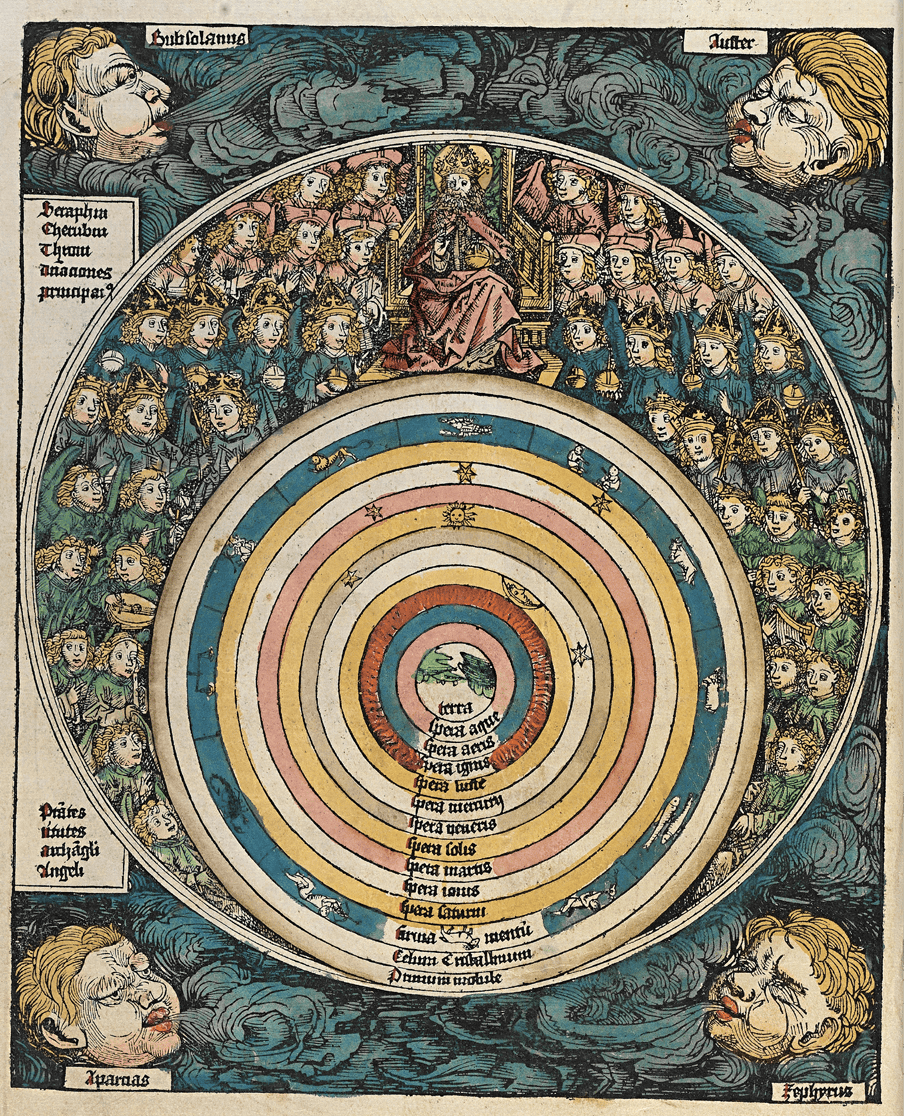
Photograph courtesy of Hartmann Schedel, Nuremberg Chronicle, Creative Commons
It ends with God stopping, blessing the seventh day, and setting it apart. Rest is written into the shape of a complete world, not added later as a reward.
The commandment in Exodus is just as concrete. Remember the Sabbath day and keep it holy. Six days of labor, then a seventh that belongs to God and also to you, your household, the stranger, and the animals. Stopping is not only private. It is communal.
Jewish Shabbat still lives that pattern: light, a meal, no ordinary work, a stretch of time that is not for producing. Many Christians keep a weekly Lord's Day, often Sunday, as a gathering and a cease from labor, even when the calendar day shifted. Jesus' words in Mark are a useful guardrail: the Sabbath was made for humankind, not humankind for the Sabbath.
Islam does not copy the seventh-day Sabbath, and you should not force it to. Friday prayer still interrupts the week's momentum, and trust in God still asks you not to live as if everything depends on your constant effort.
Across these paths, the shared claim is simple. You are more than your output.
What does stillness do that busyness cannot?

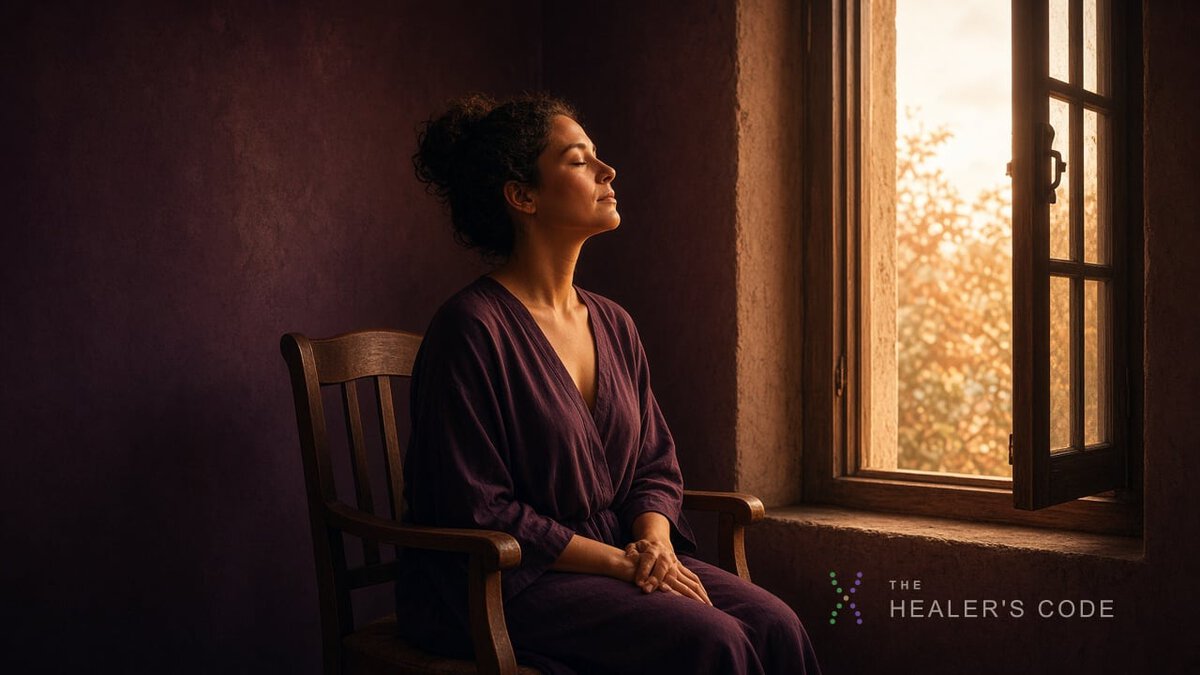
Contemplative practice treats stillness as presence, not escape. You sit. You walk slowly. You pray without a list. You lie down without a screen. None of this is a trick to become more efficient later.
In Christian contemplative life, Sabbath can be a day on the calendar and also an inner cease: receiving rather than grasping. In Buddhist practice, stopping appears as rest of the mind, the choice not to pile another thought on the last one. In yoga, savasana is not a prize at the end of effort. It is the pose that lets the body integrate what already happened.
Stillness gives you a self that is not only reacting. Busyness cannot give you that, because busyness is the reacting.
How does your nervous system actually recover?
Your body already moves between two broad modes. One is mobilization: alert, scanning, doing, ready to meet a demand. The other is restoration: slower breath, digestion, repair, a sense that you can stop guarding.
When you never stop, mobilization stays switched on. Sleep thins out. Patience shortens. Ordinary life starts to feel like a threat. Rest is not a personality trait. It is a shift toward safety that your body is built to make.
You do not need a study to recognize it. A day without errands, a walk without a podcast, an afternoon with nothing to prove: breath often lengthens before you decide to believe in rest. Shoulders drop. Thought gets less sharp and more spacious.
This is not a diagnosis, and rest does not replace medical or psychological care you may need. It is the ordinary recovery a living body requires.
How do you keep a day of rest without turning it into another rule?
Start smaller than a perfect Sabbath if you need to.

Photograph courtesy of Moritz Daniel Oppenheim, The Jewish Museum, New York, Creative Commons
Choose one window you will not fill: a morning, an afternoon, or a full day. Protect it the way you would protect time with someone you love.
Decide what rest means in your actual life. For some of you it is no work messages and a long meal. For others it is prayer, a nap, a slow walk, or hours with people who do not need you to be useful. If the day looks holy and you stay clenched, it is not rest yet.
If your tradition already has a Sabbath, keep it with the people who keep it. If you have no tradition, you can still borrow the shape: stop producing, share a table if you can, let the day be enough.
You will miss some weeks. Missing the day is not a reason to quit. It is evidence you need the practice.
If you like a reflective tool, you can Find your numbers and ask how your Life Path, including Master Numbers 11, 22, 33, or 44, describes a way of working in the world. Then notice whether that way leaves room to stop. Use it as insight, not as a forecast and not as advice about health or money.
What if rest feels unsafe or impossible?

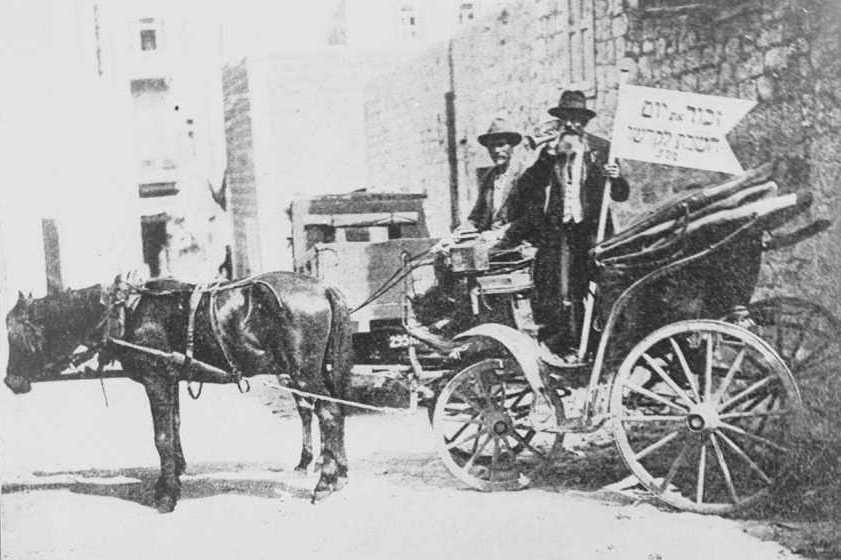
Photograph courtesy of Unknown photographer, Creative Commons
Some of you cannot take a full day because money, caretaking, or fear will not allow it. That does not make you faithless. A complete Sabbath can be a privilege this season will not give you.
Take the smallest honest rest that is actually available: a meal eaten sitting down, ten unhurried breaths, one hour with the phone in another room. If stopping brings up grief or agitation, that is information, not failure. Go gently. Ask for help if you need it.
Rest is not a prize for finishing your life. It is part of living it.
If this resonates, you can find the numbers behind your own patterns or sit with one of our guided meditations.
Sources
Numerologist and Master Teacher
Brian Wroblewski is the founder of The Healer's Code. He reads charts with the Pythagorean system and teaches people how to understand the numbers they were born with.