TL;DR
Awake means you register more of what was already in the room: mood, image, body signal, the thing someone did not say. The craft is to notice it cleanly and not inflate it.
Something shifts, and the room gets louder without anyone raising a voice. You catch a mood before the sentence arrives. An image shows up that does not belong to the conversation you are in. The body answers a question nobody asked out loud.
That is what people mean when they say the psychic senses come awake. It is a change in notice. It is not a costume, and it is not proof that you have been chosen for a stage.
Britannica defines extrasensory perception as perception that people say happens apart from the known senses. The entry includes clairvoyance, telepathy, and precognition, and it records that many scientists still doubt the perception exists. The field that studies those claims is parapsychology. This blog post does not settle that argument. A change in what you notice is not the same thing as a verified perception, and this page will not pretend that it is.
What does awake mean here?
Awake means the filter thinned. You were already receiving. You stopped editing quite so fast. Sight, sound, feeling, knowing: whichever channel is yours, it starts to arrive with less delay.
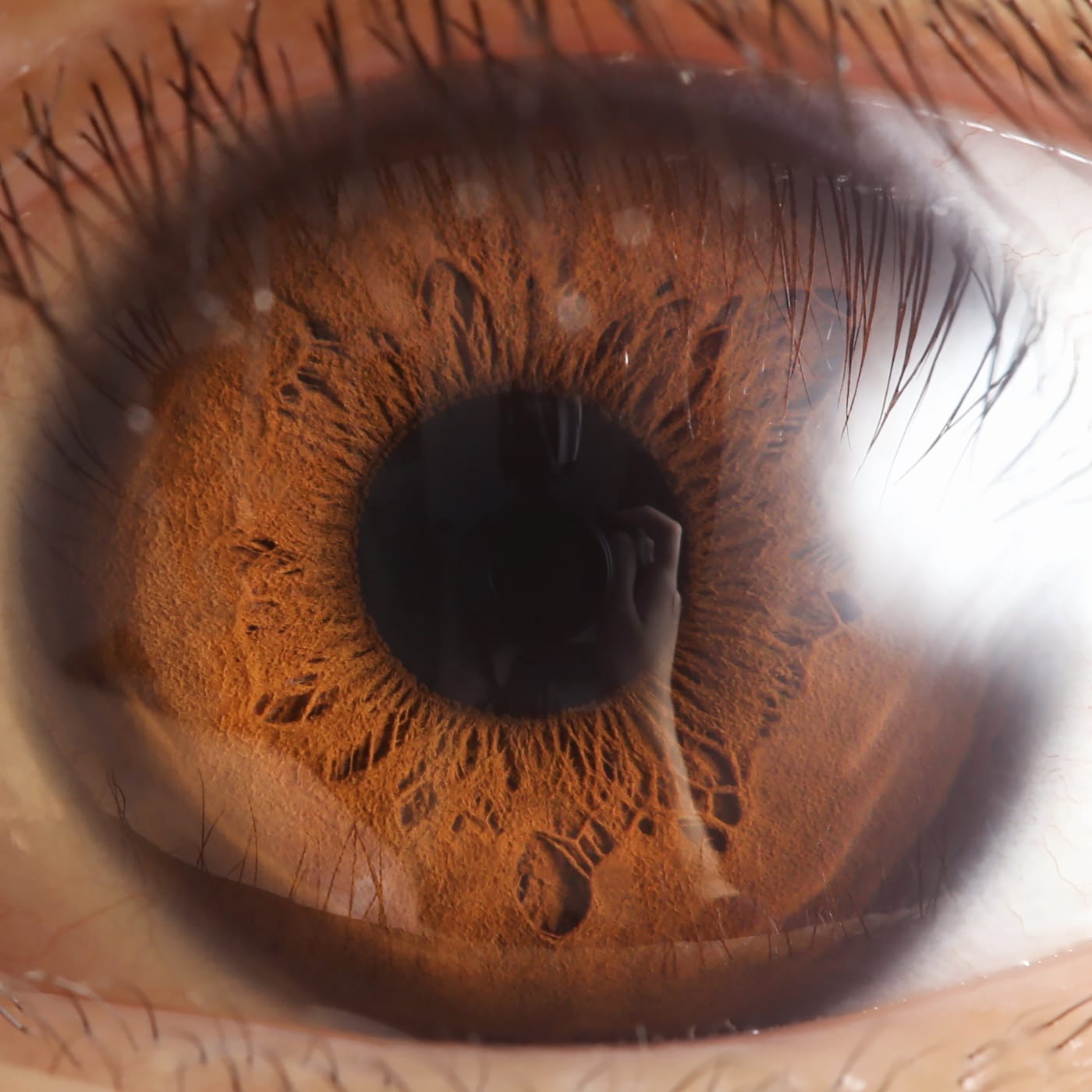
Photograph courtesy of Rapidreflex, CC BY-SA 4.0
It can be quiet. A sentence you do not say. A picture behind the eyes. A weight in the chest that matches the person across from you and then leaves when they leave. None of that requires an announcement.
Awake can also mean you are tired, flooded, or paying attention for the first time in a long while. Those are ordinary explanations, and they deserve the first look. A thin filter is not a rank. It is a change in editing speed. You still decide what, if anything, leaves your mouth.
What usually shows up first?
Often it is other people's weather.
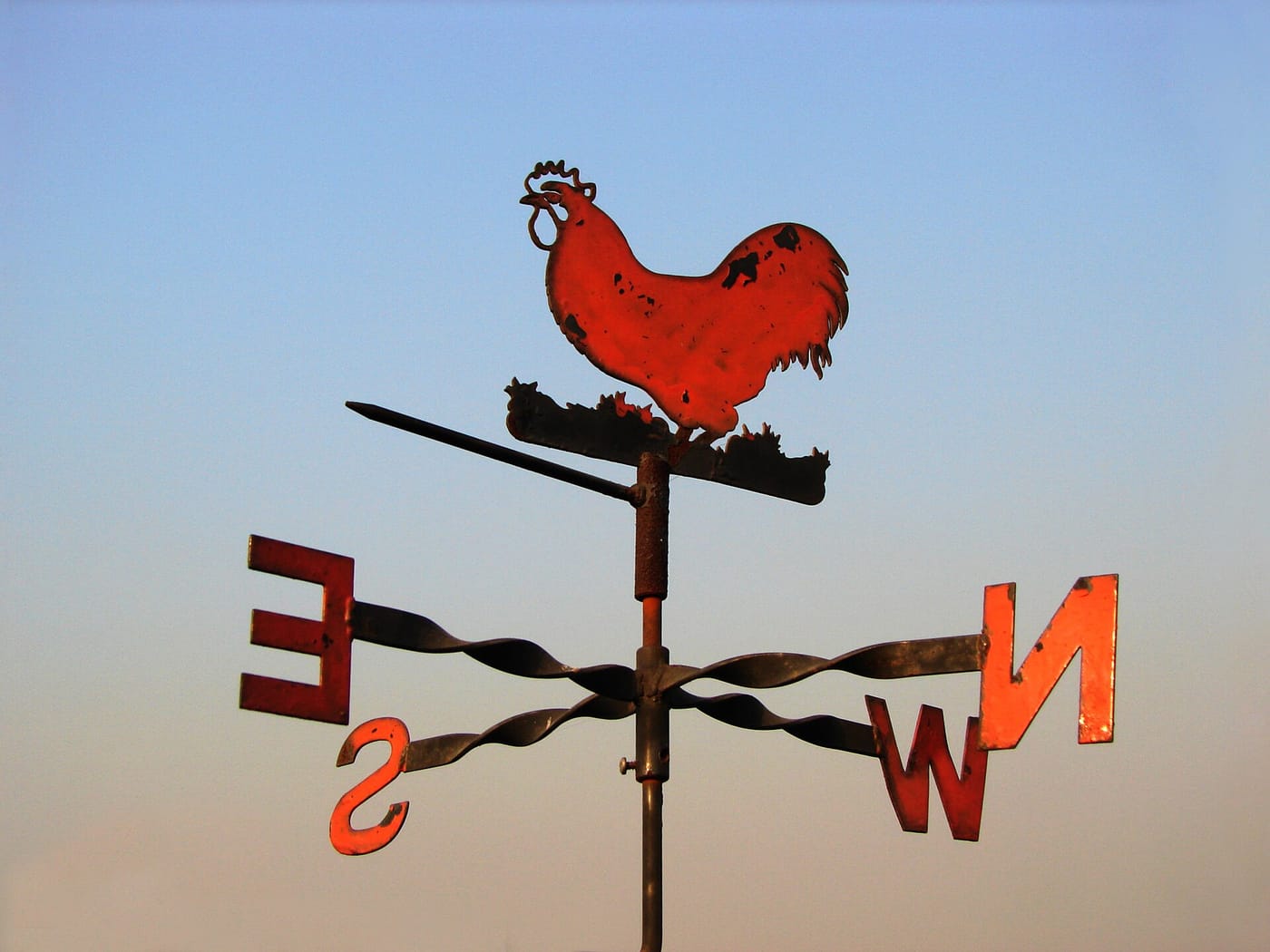
Photograph courtesy of Nevit Dilmen, CC BY-SA 3.0
You walk into a kitchen and know the argument that already happened. Or you know your own weather more clearly, which is less glamorous and more useful.
The first skill is not interpretation. It is description. "My hands are cold and I want to leave" is a better note than a story about what it must mean. Shadow work matters here, because a lot of what wakes up is material you trained yourself not to admit.
Write the note before you name a power. If the note is "I am uneasy," leave it there until the room gives you more. A story about someone else's secret is a later step, and most of the time it should not be a step you take out loud. Description keeps you honest. Interpretation is where theater starts.
How do you keep it from becoming theater?
Do not perform the impression to earn belonging. Say less than you could. If you offer something, offer it as a question, and let the other person keep the last word about their own life.

Photograph courtesy of APK, CC BY-SA 4.0
Fear can dress up as certainty. So can the wish to be special. The craft is the pause between the signal and the speech. The method is that pause, practiced until it is ordinary.
The pause has a shape. Notice. Name it in private, in plain words. Check it against what you can actually see. Only then decide whether anyone else needs the sentence. If the wish to be believed arrives before the check, you are in the performance. Put the sentence down. The signal, if it was real for you, will still be there after you have been quiet.
Where do you take this if you want a person in the room?
This blog post will not train the sense. It will only tell you what the waking is. The longer work, with correction, is psychic development. Go there when you want the craft, not a bigger story about yourself.

Photograph courtesy of Ananian, CC BY-SA 3.0
Until then, keep a small record. What you noticed. What you did not say. What turned out to be so, and what did not. That record will teach you faster than a performance will. Include the misses. A record of only the hits is how a wish starts to look like a gift.
Numerologist and Master Teacher
Brian Wroblewski is the founder of The Healer's Code. He reads charts with the Pythagorean system and teaches people how to understand the numbers they were born with.