TL;DR
Flood myths show up across many separate cultures because they carry a shared human archetype: the world is swept clean, a few carry the seed of what comes next, and life begins again. Whether or not each story records a real deluge, the pattern speaks to how people make meaning out of loss, survival, and renewal.
The flood myth shows up in unrelated cultures across the globe, and it always carries the same bones: the old world drowns, a small remnant survives by carrying something precious through the water, and life starts over on cleaner ground. That's less a memory of one event and more a way people made sense of catastrophe, loss, and starting over. When so many peoples kept the same story, you're looking at something the human mind reaches for on its own.
Here's where the story shows up, what stays constant, and why that constancy matters.
Where does the flood story actually appear?
It's in some of the oldest written records we have, and in oral traditions on nearly every inhabited continent.
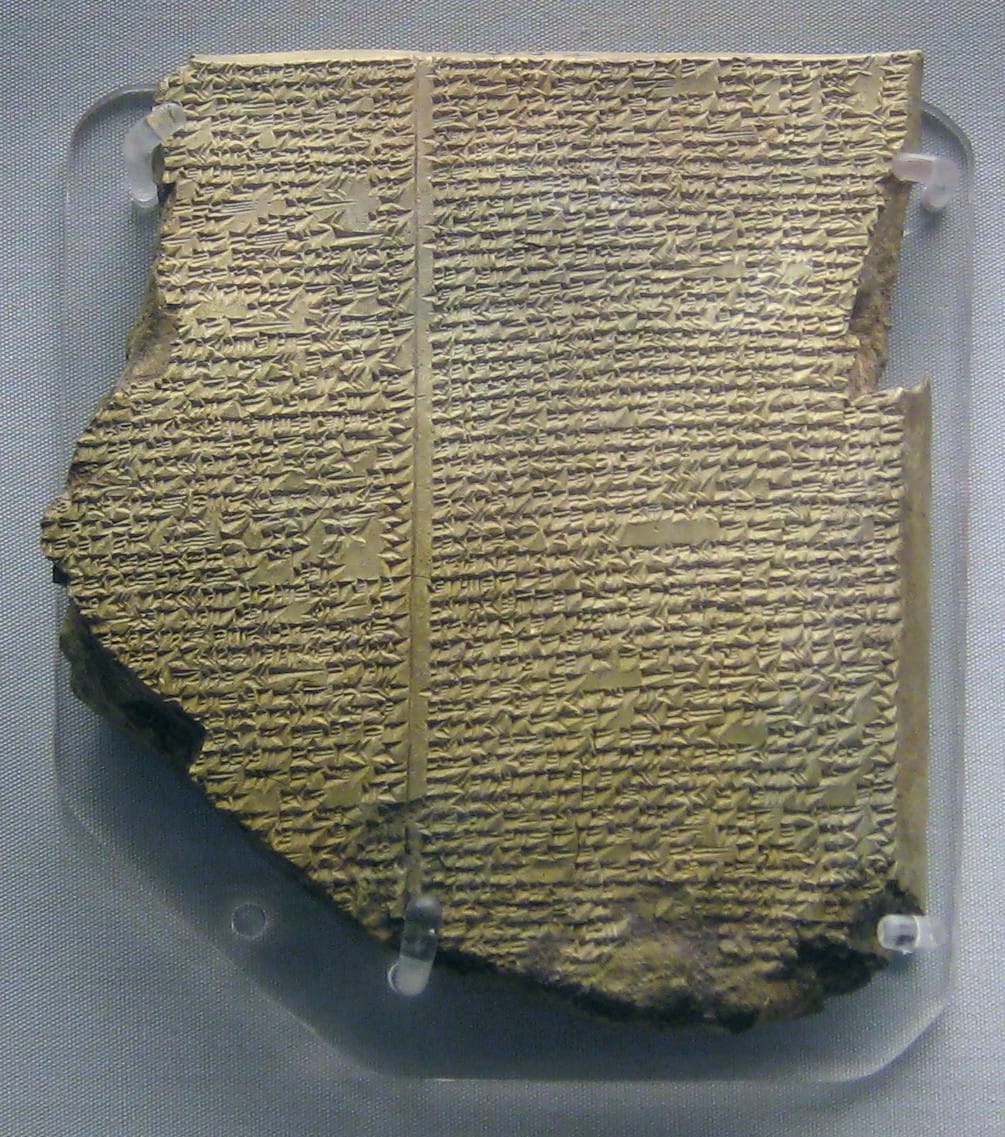
Photograph courtesy of British Museum, CC0
The Mesopotamian version predates the biblical text as we have it. In the Epic of Gilgamesh, a man named Utnapishtim tells how the gods sent a flood, how he built a great boat, loaded it with living things, and released birds to find dry land. An earlier Sumerian account names the survivor Ziusudra, and the Babylonian Atrahasis epic tells a close variant.
The Hebrew Bible carries the flood of Noah in Genesis, complete with an ark, released birds, and a covenant marking a new beginning. In Hindu tradition, the Shatapatha Brahmana tells of Manu, warned by a fish and saved in a boat while the waters rise. Greek myth gives us Deucalion and Pyrrha, who survive Zeus's flood and repopulate the earth. Flood narratives also turn up among various Indigenous peoples of the Americas, across the Pacific, and elsewhere, though the details and origins vary widely and are still studied by folklorists rather than settled into one tidy lineage.
Some traditions likely borrowed from neighboring cultures, especially in the ancient Near East. Whether others arose independently is still debated among scholars, but the recurrence of the pattern across distant, unconnected cultures is well documented, and that's what makes it worth paying attention to.
What stays the same in every version?
Strip away the names and the local weather, and a familiar shape usually remains.
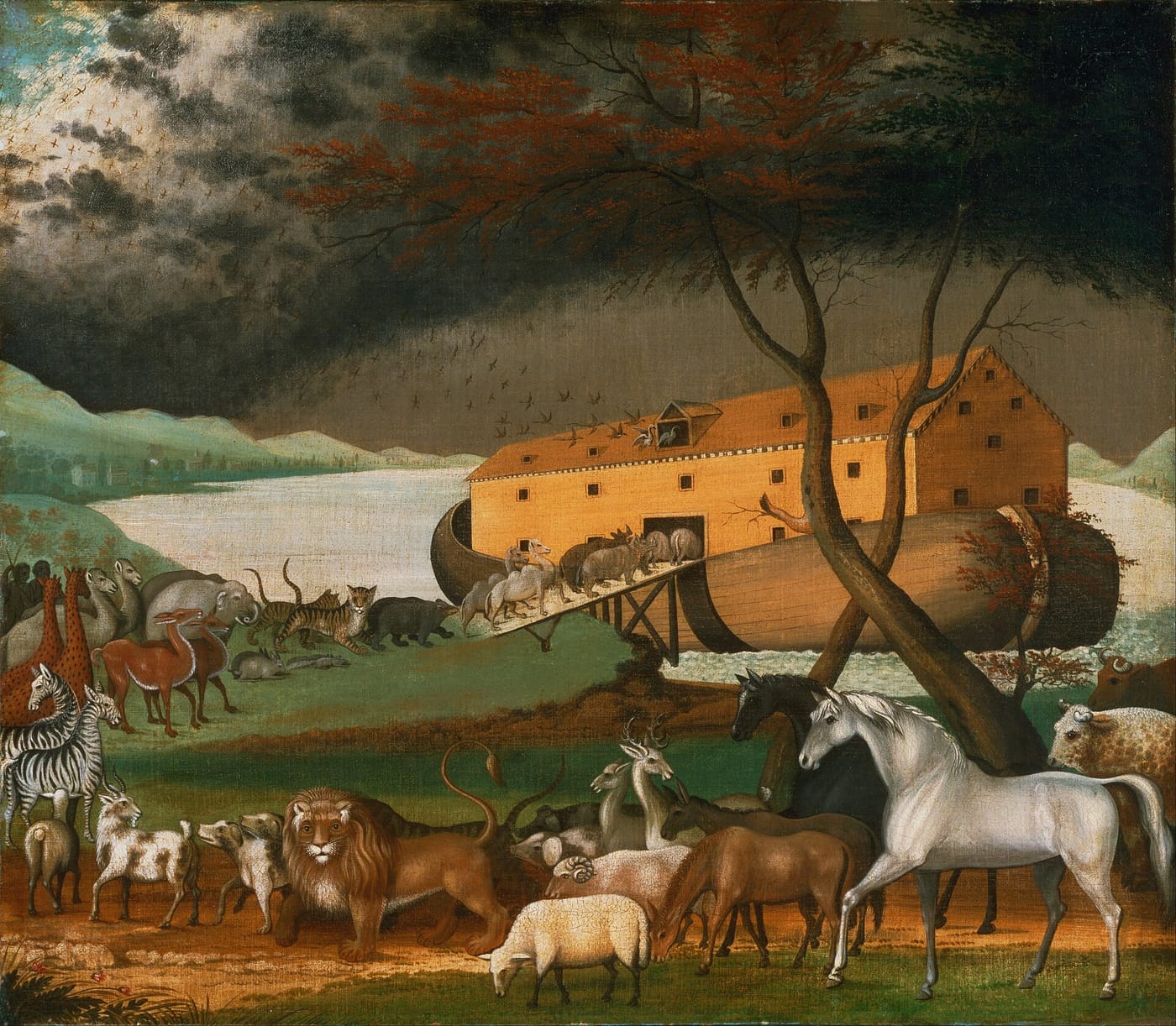
Photograph courtesy of Philadelphia Museum of Art, Public domain
- A world that has grown corrupt, crowded, or out of balance. The flood is rarely random. It answers something.
- A warning given to one person or a few. Someone listens when others don't.
- A vessel. A boat, an ark, a raft that holds the seed of the future.
- A remnant that survives. Never everyone. Just enough.
- A sign that it's over. A released bird, a receding tide, a rainbow, dry land.
- A fresh start on cleaned ground. The story ends not with death but with planting.
This shape is close to what scholars call an archetype: a recurring pattern that seems to sit near how humans imagine the world. The mythologist Joseph Campbell traced patterns like this across cultures, arguing that recurring myths reflect shared psychological ground rather than shared history alone. That view, often linked to Jungian and comparative-mythology traditions, is influential but far from universally accepted, and other researchers point instead to cultural transmission and shared environmental experience as the real explanation.
Does the pattern prove there was one real flood?
Not by itself, and that's fine.
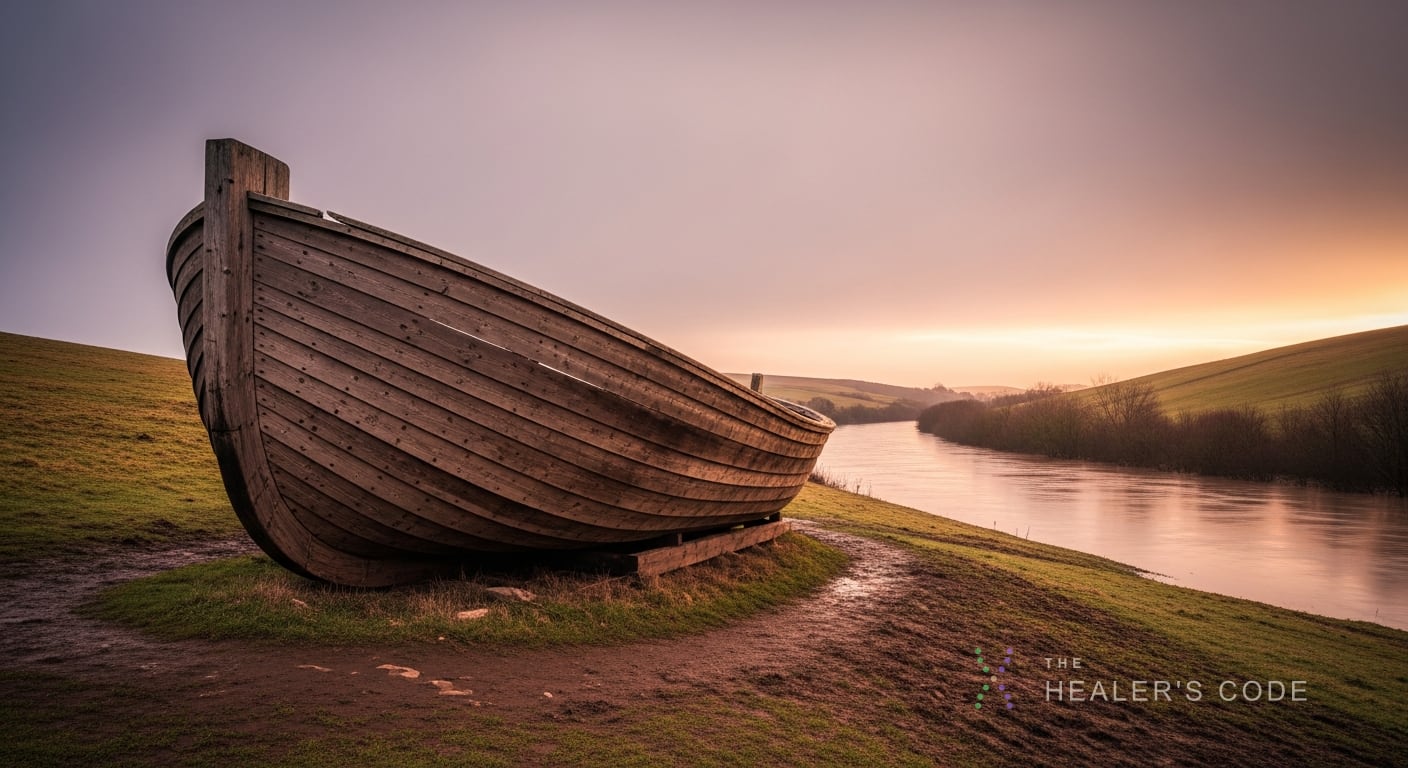
Some flood myths may have grown out of real regional events. The rivers of Mesopotamia flooded catastrophically on a regular basis, and communities living beside water that both gives life and takes it would naturally carry that memory forward. Some researchers have proposed larger regional events, like a sudden rise in the Black Sea in prehistory, though that idea remains debated among geologists and archaeologists rather than settled fact.
But here's the more grounded reading. You don't need a single global flood to explain a widespread flood story. Plenty of human communities have known destructive flooding in some form, and every community has known that its way of life could end. The flood is a natural image for that knowledge. Water erases. Water also carries. It works as a symbol for an ending that isn't final.
So the myth can carry meaning as a map of how endings feel and what survival asks of people, without needing to be a literal report of one event.
Why did so many cultures choose to keep it?
Because it does real work for the people who hold it.
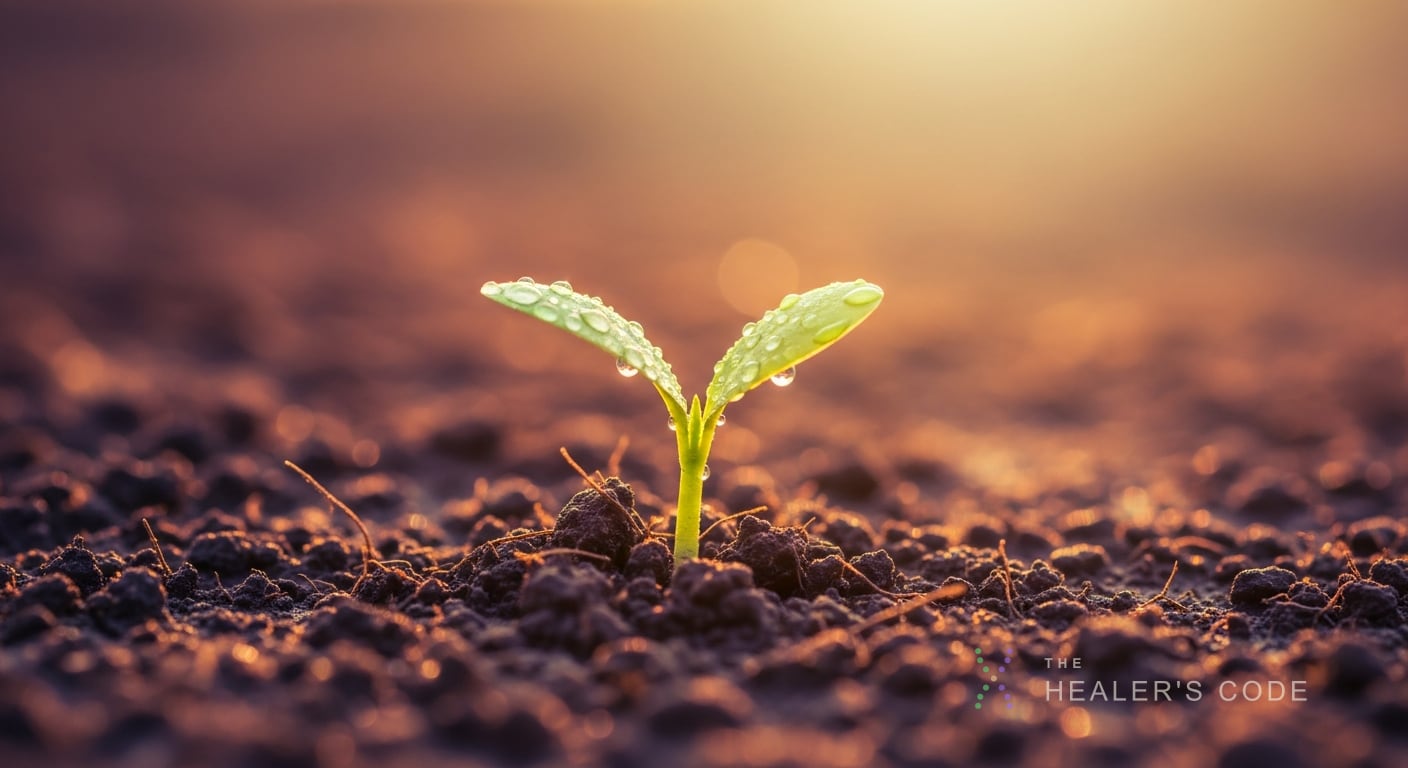
A myth survives when it keeps proving useful to the people telling it. The flood story answers questions that generation after generation keeps asking: Why do worlds end? What did we do? Who gets through, and how? What are we supposed to carry forward?
The answers it offers are steady and humane, at least as one reading among several. Endings come, and they aren't always punishment in any simple sense, but these stories rarely treat them as meaningless either. Survival isn't framed as luck alone. It favors the one who listens, prepares, and protects what deserves to continue. And once the water recedes, the story doesn't linger on grief. It moves toward planting.
That's a story worth teaching, and probably one real reason it kept getting told.
What does the flood archetype ask of you now?
You don't need a literal deluge to recognize this pattern in a life.
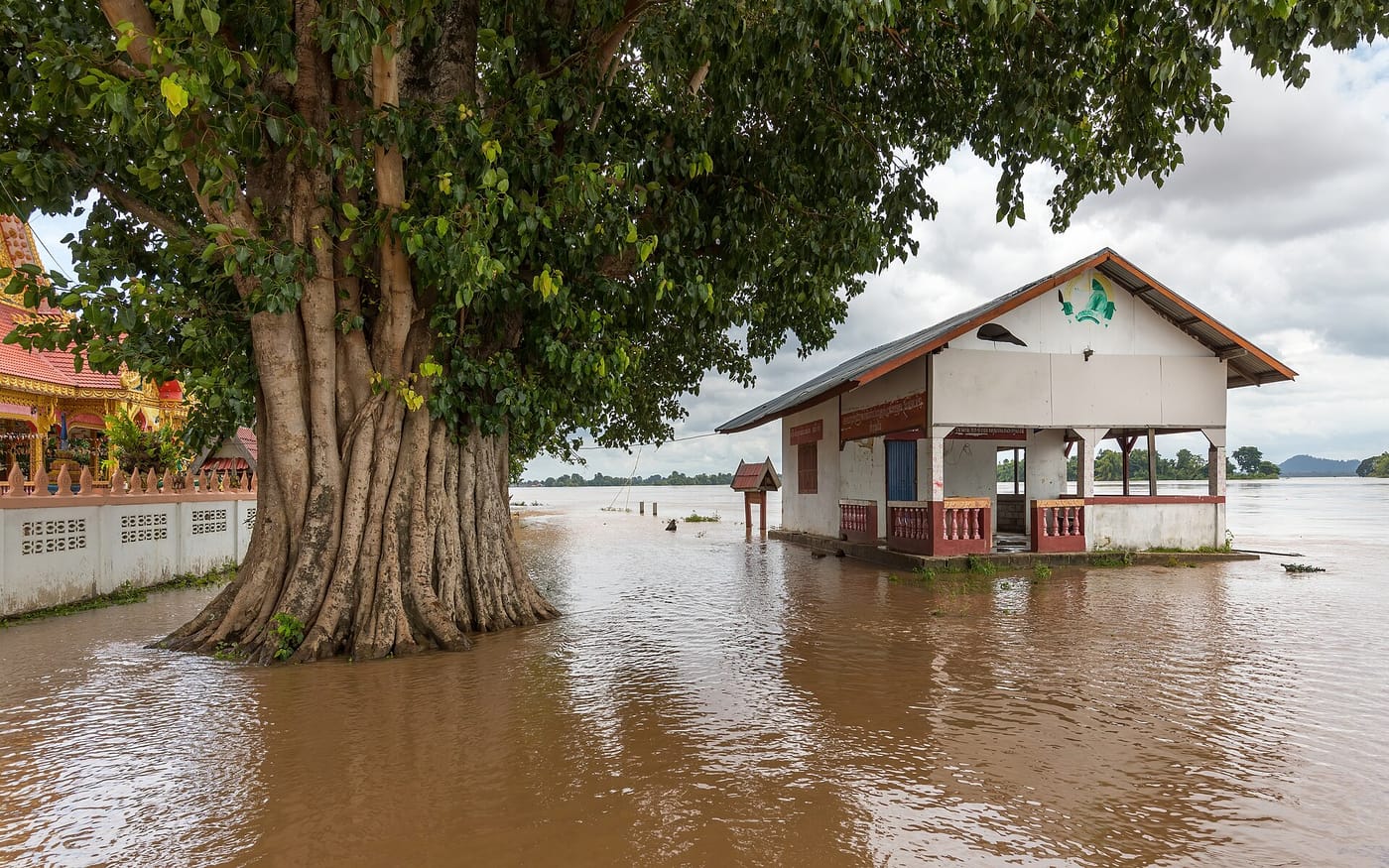
Photograph courtesy of Basile Morin, CC BY-SA 4.0
There are seasons when a version of the flood arrives: a marriage ends, a career sinks, a belief you built your identity on gives way. The old world doesn't survive. The archetype doesn't pretend otherwise, and that honesty is part of what makes it useful as a symbol.
What it offers is a frame, not an instruction manual with guaranteed results. Listen for the warning early. Build the vessel before you need it. Decide, deliberately, what you will carry through the water, since you can't carry everything. And remember that the point of the ordeal, in this story's logic, is the dry ground on the far side, not the flood itself.
That reading of endings and consequence is the same territory karma maps, arriving on its own schedule rather than yours.
How does this connect to reading yourself through symbols?
Working with an archetype is a practice of self-reflection, not prediction.
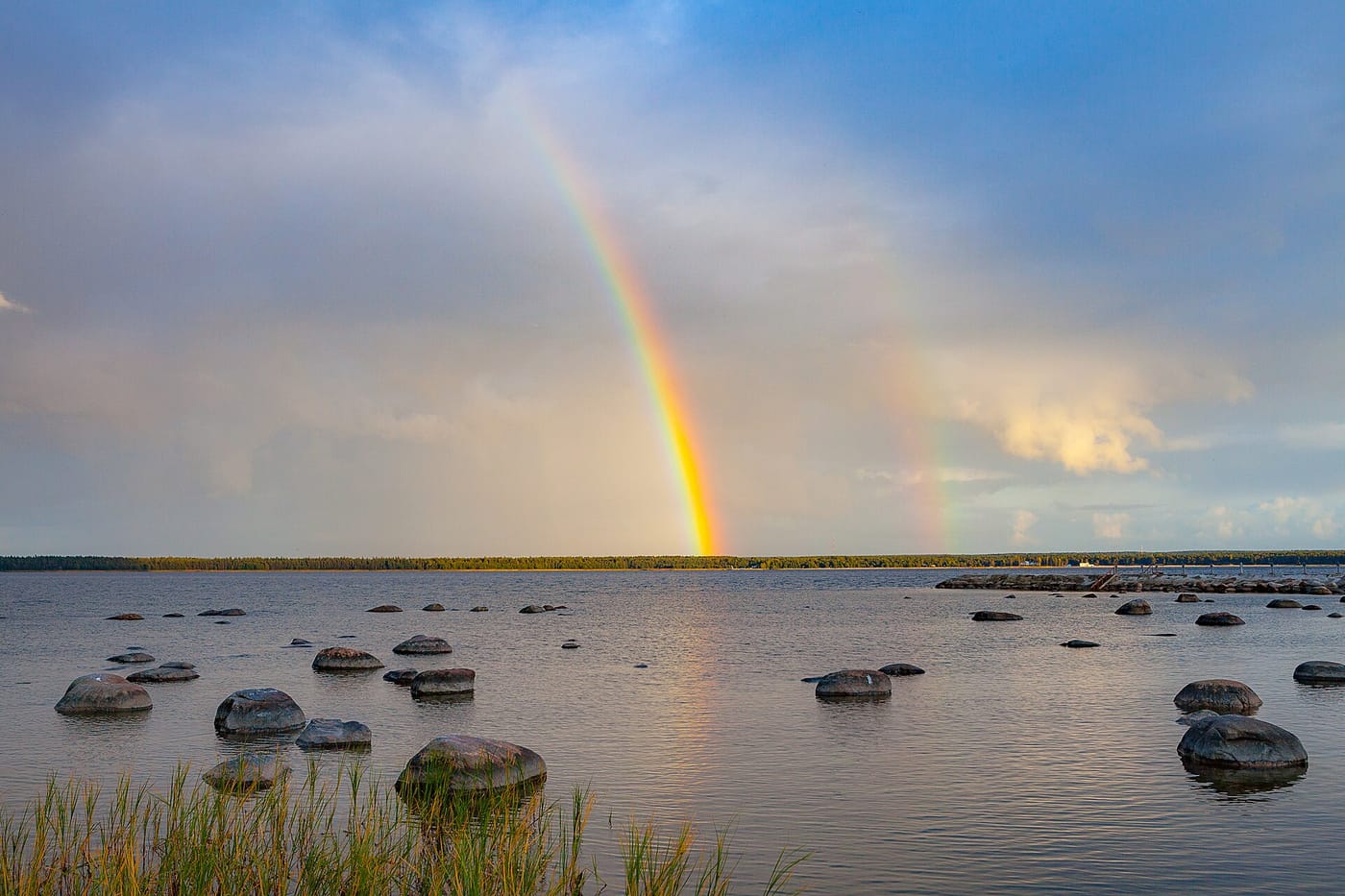
Photograph courtesy of Egorov.nick, CC BY-SA 4.0
If you want a personal, symbolic starting point for that kind of reflection, you can get your Soul Blueprint and explore your own patterns with the same steady attention these old stories reward.
The flood story endured across so many cultures because it speaks to something true in human experience: worlds end, and life goes on carrying its seed. That was worth remembering widely, and for a lot of people, it still is.
Sources
Numerologist and Master Teacher
Brian Wroblewski is the founder of The Healer's Code. He reads charts with the Pythagorean system and teaches people how to understand the numbers they were born with.