TL;DR
Pythagoras was a Greek philosopher and teacher from the sixth century BCE who believed that numbers underlie the order of the world. His name lives on in geometry, music theory, and the Pythagorean approach to numerology, which uses numbers as a tool for self-reflection rather than prediction.
Who Was Pythagoras, and Why Do Numbers Still Carry His Name?
Pythagoras was a Greek philosopher and religious teacher born on the island of Samos around 570 BCE.
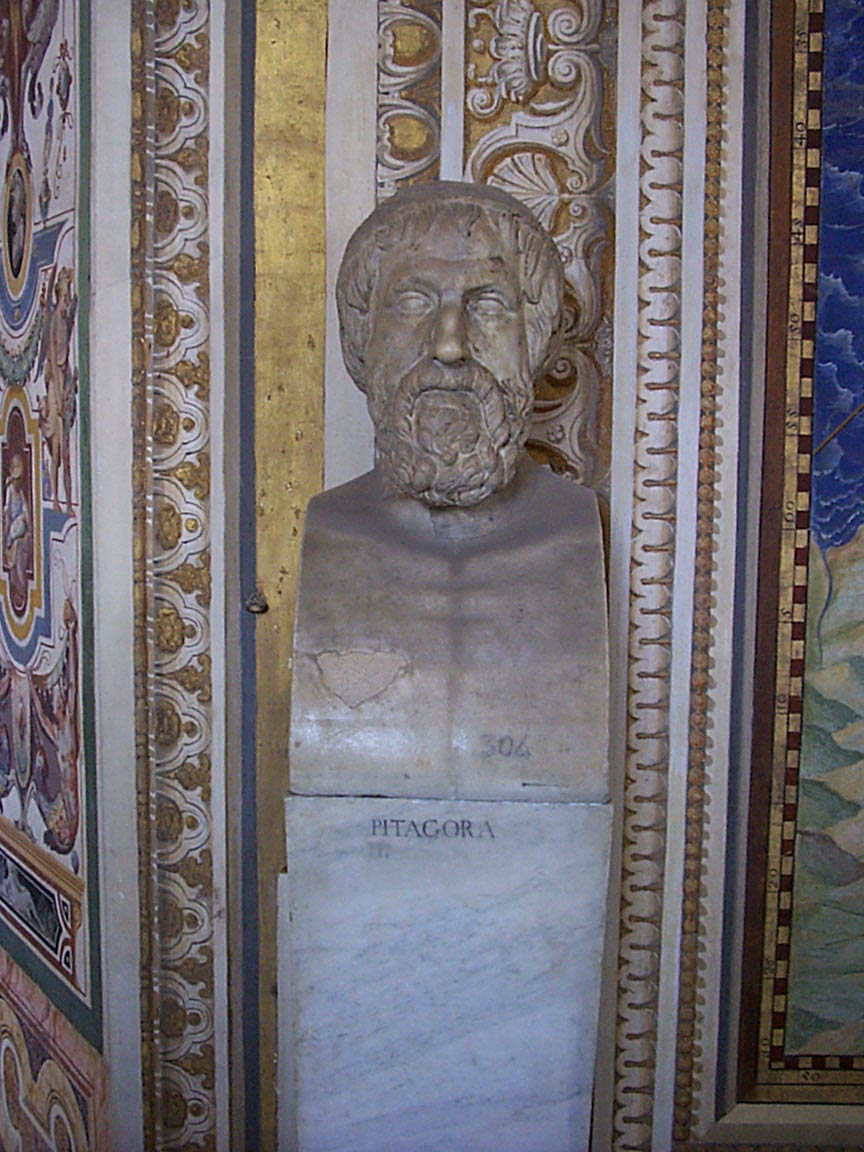
Photograph courtesy of Photograph by Andargor; Vatican Museums, Public domain
Most people know him for the geometric theorem that carries his name, but in his own time he was better known as the founder of a school that treated numbers as the key to understanding reality itself. That one idea, that number runs through the order of things, is why his name still turns up in music theory, mathematics, and the Pythagorean method of numerology.
Almost everything we know about him comes from later writers, not his own hand, since he left no writings we can be certain of. So it pays to hold the biographical details loosely and pay closer attention to the ideas that outlived him.
What do we actually know about his life?
Less than the legends suggest. That's worth saying plainly.
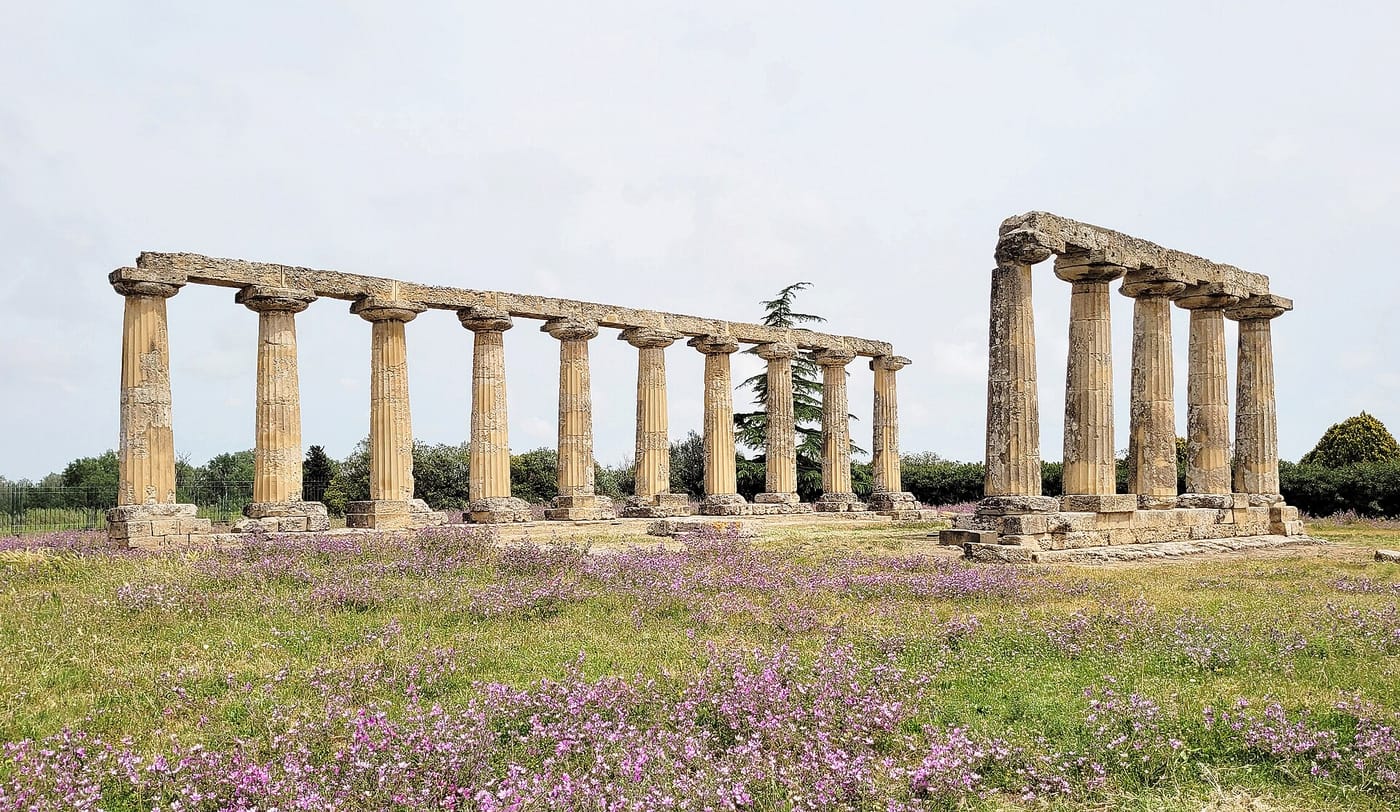
Photograph courtesy of Bernard Gagnon, CC0
Ancient sources agree on a rough outline. Pythagoras came from Samos, traveled widely, and eventually settled in Croton, a Greek colony in southern Italy. There he founded a community of followers who shared a way of life built around study, discipline, and a belief that the soul continues after death.
The more colorful stories, that he had a golden thigh, that he remembered past lives, that he banned beans from the table, come from writers living centuries after he died. Treat those as folklore that grew up around a memorable teacher, not verified biography. The honest answer is that the historical Pythagoras is hard to pull apart from the myth.
What we can say with confidence is that he sparked a real movement. The Pythagoreans were an actual school, and their ideas shaped Plato and, through him, much of Western philosophy.
Why did he think numbers mattered so much?
Because he noticed that number sits underneath things that feel mysterious, like harmony in music.
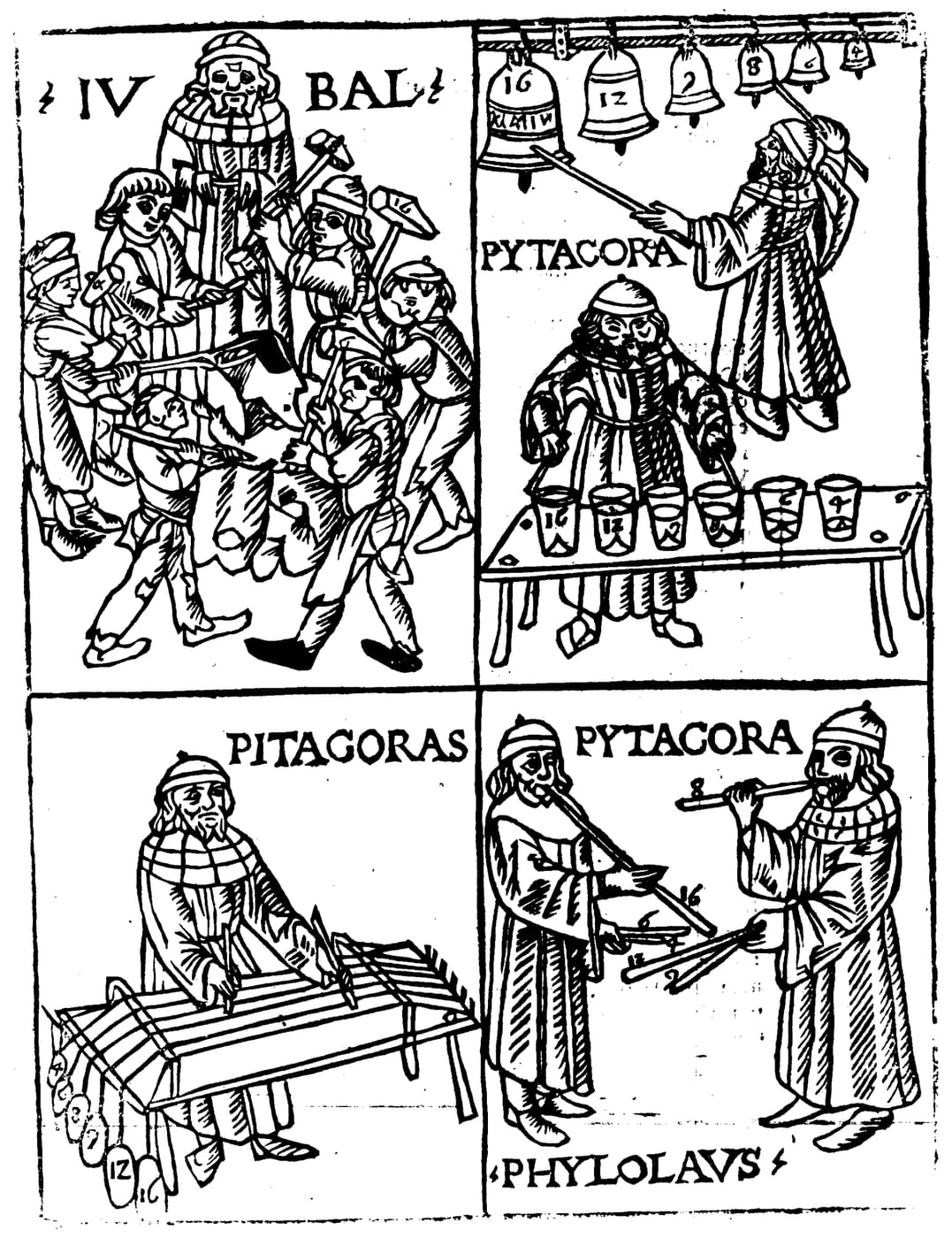
Photograph courtesy of Woodcut from Theorica musicae by Franchino Gaffurio (1492); Gallica / BnF, Public domain
The classic example, attributed to the Pythagoreans, is the discovery that musical intervals match simple ratios of length. Pluck a string, then pluck one half its length, and you hear an octave. Two thirds gives you a fifth. The pleasing sound isn't random. It follows a clean numerical relationship.
For Pythagoras and his followers, this was a revelation. If something as immediate as music obeys number, then maybe number is the hidden grammar of the whole world. They stretched this idea outward, hunting for numerical order in the heavens, in shapes, in the structure of the cosmos itself, an intuition echoed in the ancient idea that numbers carry meaning.
You don't have to accept every conclusion they drew to feel the pull of that core insight. There's real order in things, and number is one of the clearest ways we have of describing it.
How is the Pythagorean theorem connected to all this?
The theorem is the piece of his legacy most people learn in school, and it fits his worldview neatly.
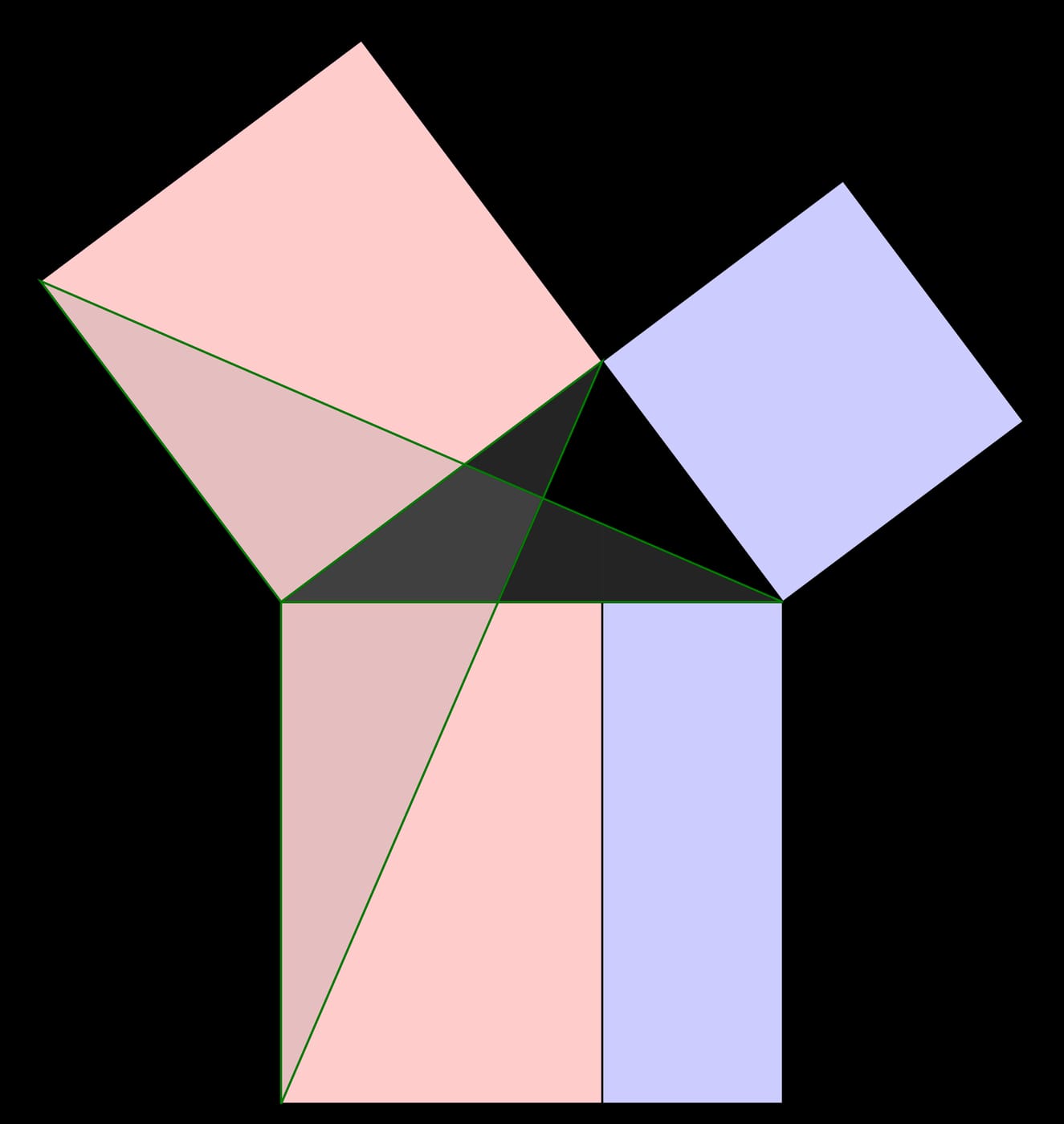
Photograph courtesy of Illustration by Smjg, Public domain
The rule, that in a right triangle the square of the longest side equals the sum of the squares of the other two, was probably known to earlier cultures in practical form. What the Pythagorean tradition added was curiosity about why it holds true, the move from useful trick to proven relationship.
That shift matters. It reflects the same conviction running through all his thought: numbers aren't just tools for counting. They express truths about how things fit together.
What was the Pythagorean way of life?
A full practice, not just a set of theories.
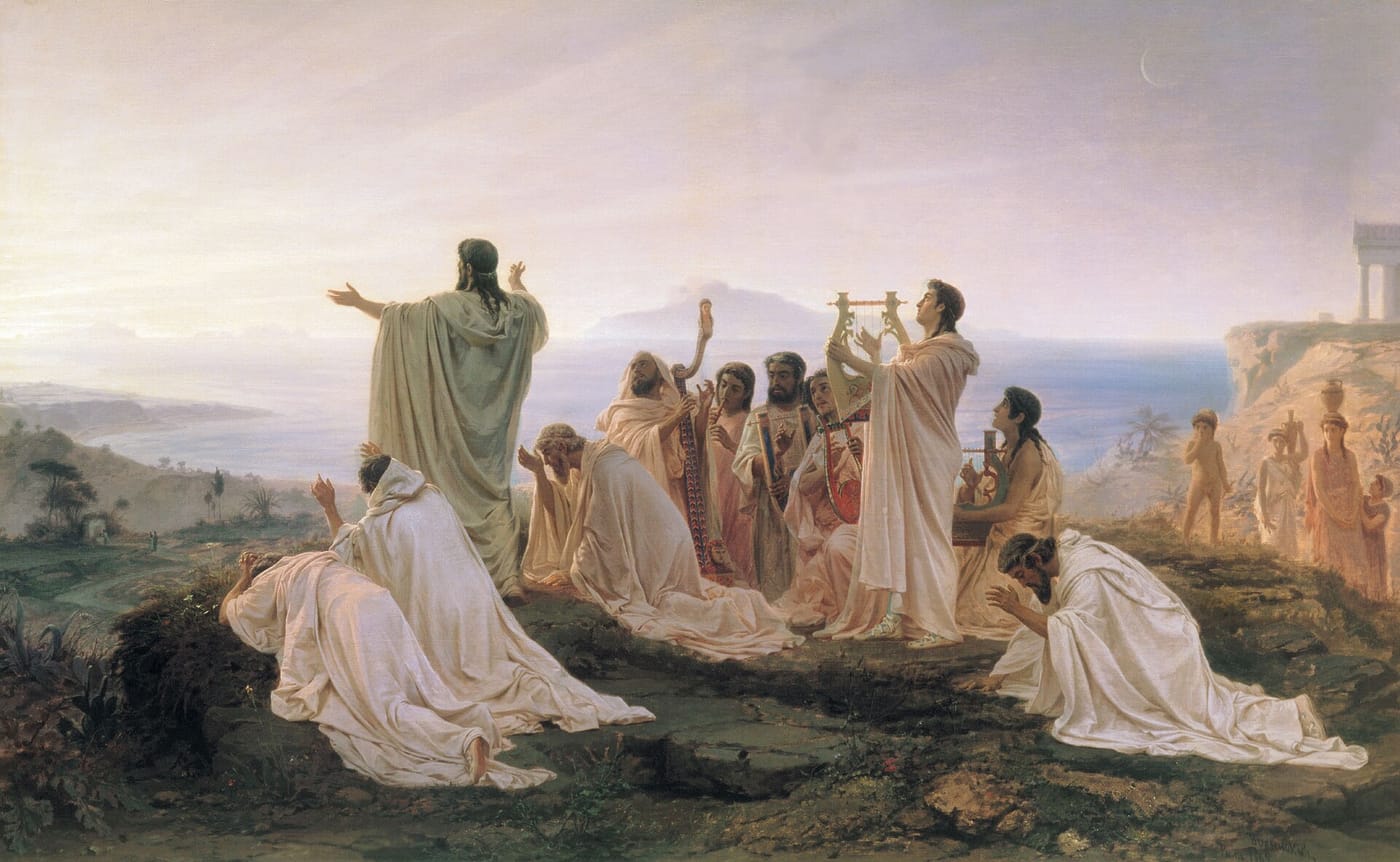
Photograph courtesy of Fyodor Bronnikov, Public domain
The community at Croton lived by shared rules. They valued self-examination, silence, memory training, and restraint. They believed the soul was on a long journey, an idea explored across cultures in what happens to the soul after death, according to world traditions, and that how you lived shaped where it went next. Studying number and harmony was part of that journey, a way of tuning yourself to the order they saw in the cosmos.
This is the part people forget. For Pythagoras, understanding number was never a party trick. It was tied to becoming a clearer, more ordered person. Knowledge and ethics were meant to grow together.
How does his legacy live on in numerology?
The Pythagorean system of numerology takes his central idea and turns it toward self-reflection.
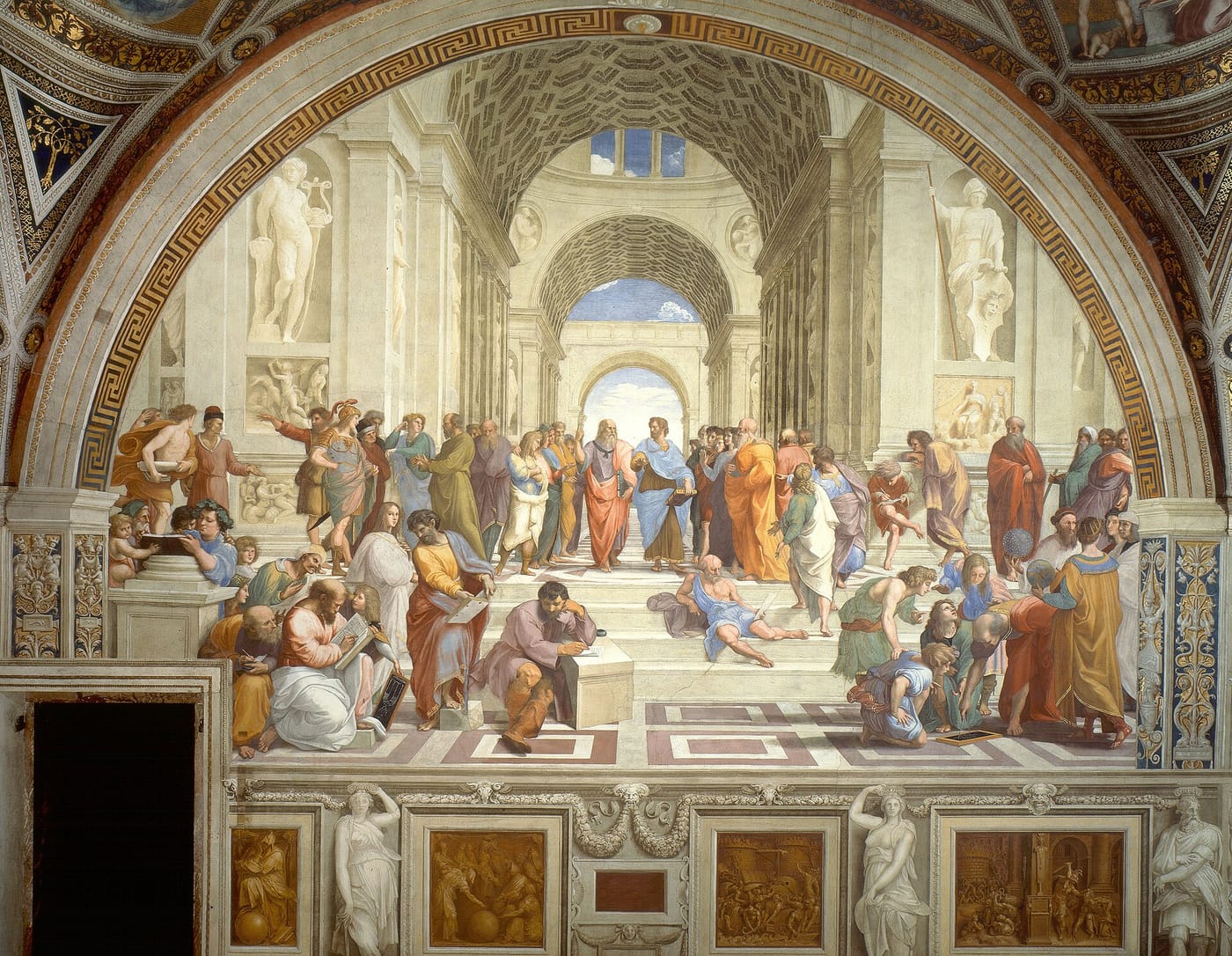
Photograph courtesy of Raphael, Public domain
The method assigns numbers to the letters of your name and works with the digits in your birth date, then reduces them to single digits, with a few exceptions, a process laid out in more depth in the three numbers hidden in your name. Those exceptions are the Master Numbers, which in The Healer's Code method are 11, 22, 33, and 44. Each number carries a set of themes you can hold up against your own life like a mirror, similar to how your personal year number or your life path number can be calculated and read.
It's worth being clear about what this is and isn't. Numerology in this tradition is a tool for reflection, formally distinct from the mathematics it borrows its symbols from, a way of asking sharper questions about your patterns and choices. It isn't fortune-telling, and it isn't a substitute for medical, financial, legal, or psychological guidance. The value is in what it prompts you to notice, not in any promise about the future. You can see how the calculations work in the method, or get your Soul Blueprint for a personalized reading.
Why does any of this still matter to you?
Because the question Pythagoras asked is one you already ask, in your own way.
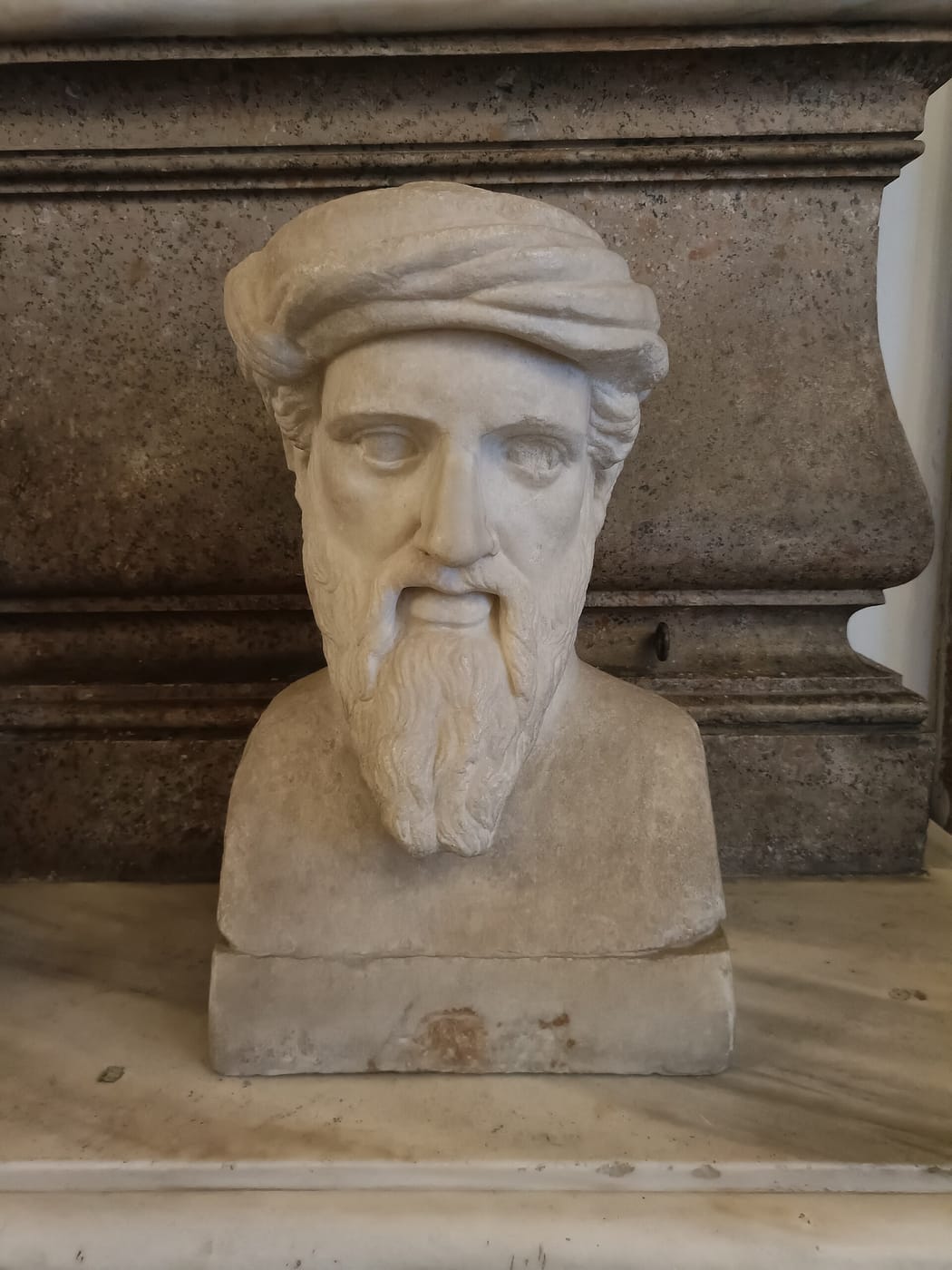
Photograph courtesy of Cmick25, CC BY-SA 4.0
When you sense that your life has patterns, that certain themes keep circling back, you're reaching for the same intuition he had: that there's an order underneath the surface, and describing it can help you live more wisely. Numbers are one language for that order. They aren't the only one, and they aren't magic.
Held that way, honestly and without hype, the Pythagorean inheritance is a gift. It invites you to look closely, to trust that things carry more order than they seem to, and to use that trust to know yourself a little better.
Sources
- Distinction between mathematics and number mysticism (numerology) (Encyclopaedia Britannica)
- Academic entry on Pythagoreanism and its numerological philosophy (Stanford Encyclopedia of Philosophy)
- Pythagoras (Stanford Encyclopedia of Philosophy)
- Pythagorean theorem (Britannica)
- Monochord | Whipple Museum of the History of Science
Numerologist and Master Teacher
Brian Wroblewski is the founder of The Healer's Code. He reads charts with the Pythagorean system and teaches people how to understand the numbers they were born with.