
TL;DR
You tell an intuitive impression from imagination by noticing how it arrives, writing the raw content before you explain it, and checking that note against what actually happens. Imagination tends to argue, decorate, and need you to be special. An impression is often quieter, shorter, and easier to record without a story. Keep honest logs. Do not treat any of this as a promise of accuracy.
You tell an intuitive impression from imagination by treating it as data, not as a verdict. Notice the quality of what arrived, write the content before you interpret it, then check that note against later events and keep a record you would not be ashamed to reread. Imagination is not the enemy. It is the mind filling gaps. Your job is to slow the filling.
This is craft, not proof. You will be wrong sometimes. The method still works because it makes the wrongness visible.
What does an impression feel like compared with a story you are spinning?
An impression often arrives as a short, complete packet: an image, a phrase, a body sense, a direction. It does not need you to agree with it. A story you are spinning usually wants more: more detail, more drama, more proof that you are gifted.

Pay attention to the first second. Did the content land, then sit there, or did it immediately start explaining itself? Explanation is often imagination catching up.
Notice tone. Fear can dress itself as knowing. So can wish. If the content is flattering, urgent, or morally neat, mark that in the note. You are labeling the weather around it, not throwing it out.
Notice effort. If you had to strain, hunt, or perform, you may be manufacturing. If it showed up while you were doing something ordinary, record that too.
How do you write it down before you interpret it?
Write the raw content in one or two lines, then stop. Date it. Time it if you can. Use US long form: March 12, 2026. Do not add meaning in the same breath.
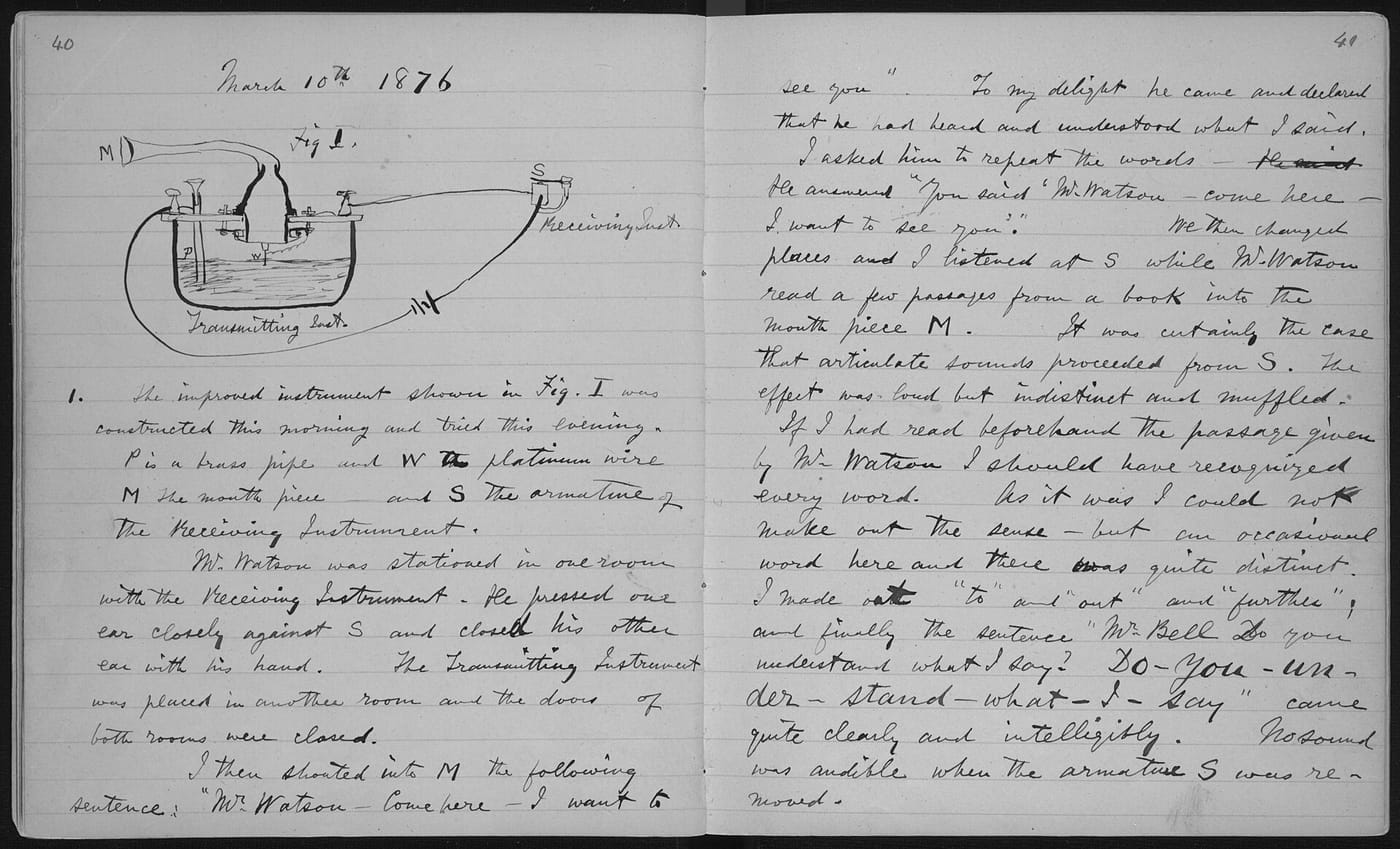
Photograph courtesy of Library of Congress, Public domain
Separate three columns in a notebook or a plain file: Content, Quality, Later. Content is what arrived. Quality is how it felt: quiet, loud, warm, tight, sudden, sticky. Later stays blank until there is something to put there.
If a name, color, object, or sentence showed up, write those words. Do not upgrade them into a reading. "Blue coat, left side" is better than "someone is leaving you." The second sentence is interpretation. Interpretation can wait a day.
This week, do this once a day for five days. Sit for two minutes. Write whatever comes, even if it is nothing. Nothing is also data.
If you want a quiet place to practice attention without turning it into theater, you can use the guided meditations.
How do you check an impression later without cheating?
Checking means matching the original note to events, not rewriting the note so it fits. Read the Content line first. Then look at what actually happened. Then fill Later with a short, boring sentence.

Use three marks only: hit, miss, mixed. A hit is specific content that showed up in the world without you forcing it. A miss is content that did not. Mixed is partial. Do not argue with the mark.
Give yourself a window. Some notes are about the next hour. Some are about a week. Write the window when you write the note. If you did not write a window, default to seven days, then close the file.
Do not count coincidences you would never have predicted from the words on the page. If you wrote "train" and later saw a toy train, that is mixed at best. Honesty is the whole method.
What belongs in an honest record, and what should you leave out?
An honest record includes misses, mixed results, and days with nothing. If you only keep the hits, you are training yourself to lie.
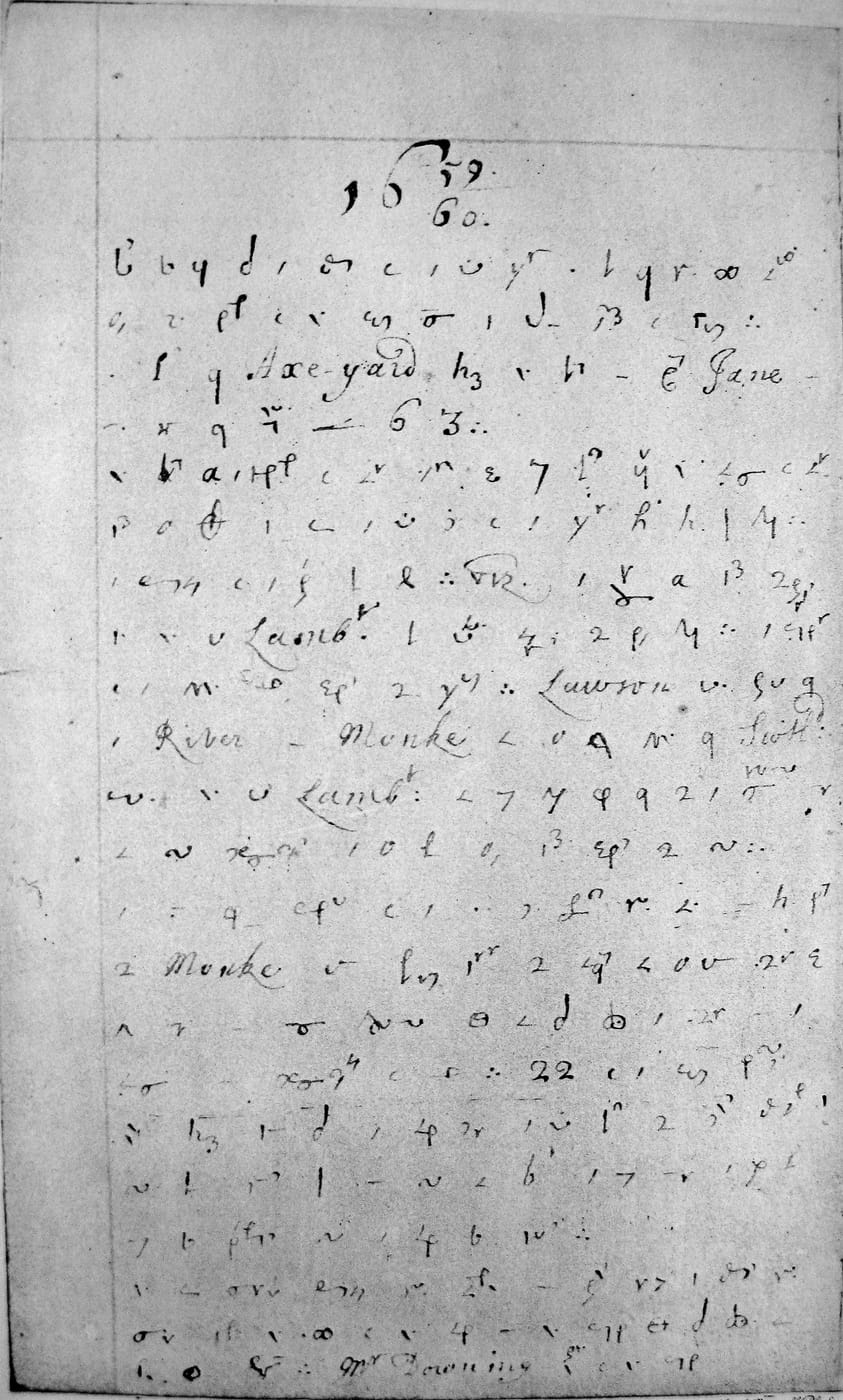
Photograph courtesy of Samuel Pepys diary page, Public domain
Leave out performance. Do not write for an audience. Do not dress the language. If you later share craft in the community, share method and humility, not a highlight reel.
Leave out medical, legal, financial, and psychological claims. An impression is not advice. If a note concerns someone else's body, money, or safety, do not act on it as if it were a fact. Direct them to real help.
Leave out destiny talk. Numerology, if you use it, is a tool for self-reflection in The Healer's Code method. It is not a prediction engine. Do not let a Life Path or Personal Year "confirm" an impression you have not checked.
Once a month, reread thirty days of notes. Count hits, misses, mixed. Notice which qualities showed up with which marks. Adjust how you listen. That is the craft.
What should you do this week if you keep second-guessing yourself?
Pick one ordinary setting: the walk to the store, the kettle, the first five minutes after you sit down.
Photograph courtesy of Arnold Reinhold, CC BY-SA 3.0
Decide that this is the only place you will practice.
When something arrives, write Content and Quality before you stand up. Do not interpret. Do not tell anyone. Check it at the window you set.
If nothing arrives, write "nothing" and the date. That line is as useful as a vivid image. It keeps you from inflating silence into a story.
You are building a habit of seeing, not a reputation. Stay warm with yourself. Stay strict with the page.
Sources
Numerologist and Master Teacher
Brian Wroblewski is the founder of The Healer's Code. He reads charts with the Pythagorean system and teaches people how to understand the numbers they were born with.