TL;DR
A shared death experience is a report from someone who is not dying, often a caregiver or family member, that they seemed to share part of a dying person's transition. Researchers have gathered first-person accounts of lights, presence, and a sense of leaving with the person. Those collections describe a pattern of reports. They do not prove what happens after death. Hold the story as a human event you can honor without forcing it to settle a metaphysical argument.
A shared death experience is a living person, often at the bedside, saying they seemed to share part of a dying person's passage. You may hear of light, a change in the room, a sense of leaving with them, then coming back. Researchers have gathered these as first-person accounts. Collection is not proof of an afterlife. It is also not a reason to brush off the person who lived it.
You can listen, name what was felt, and leave the rest open.
What do caregivers and family actually report?
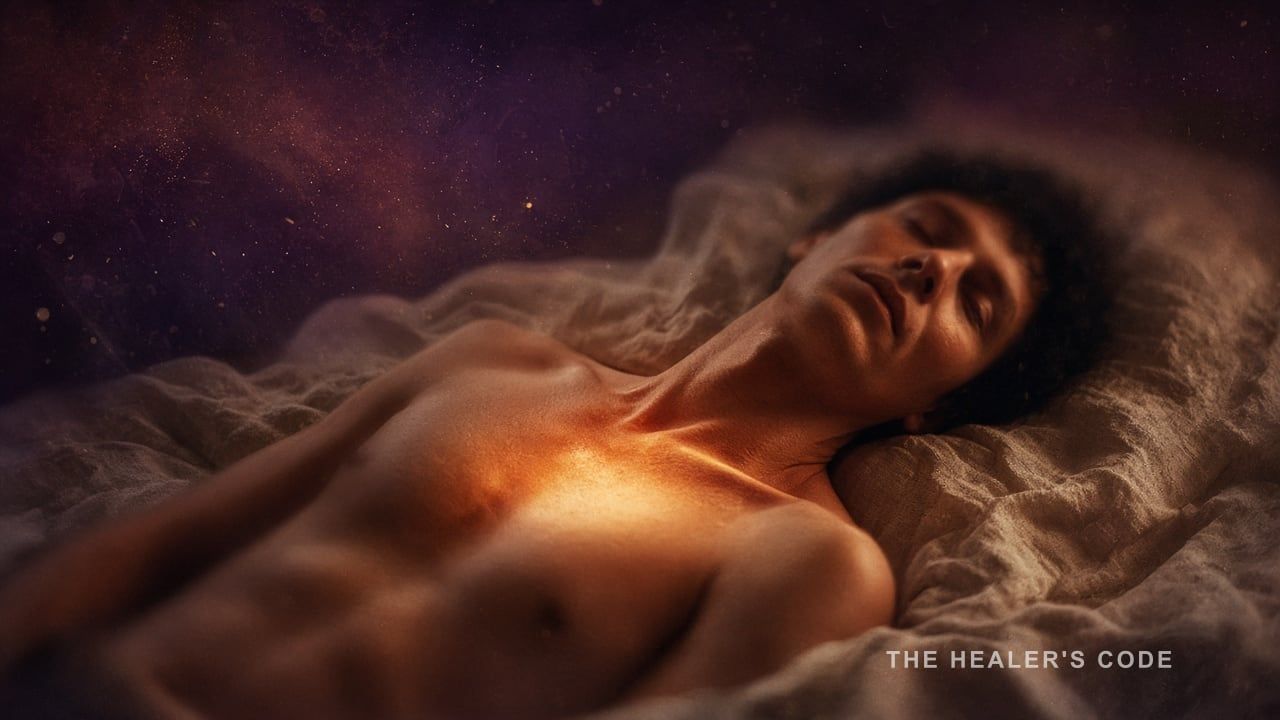
People who were there, or who felt linked from a distance, describe impressions that arrived around the time of death. In published collections you keep seeing a shift in the room, a sense of presence, light that does not act like a lamp, and a feeling of going a short way with the person who is leaving.
Some say the dying person looked well, or younger. Some describe a panoramic sense of that person's life. Some felt pulled toward a threshold, then dropped back into ordinary time. Others mention peace, or a brief certainty that the person was met.
These are reports of experience. Two people in the same room may not share the same impressions. Fatigue, grief, and love shape memory. That does not make the witness a liar. Treat the story as a human event, not a lab result.
If you are holding such a memory this week, write it once in your own words. Do not polish it for an audience. Date it. Leave gaps where you are unsure.
What has research established, and what has it not?
Work on shared death experiences is mostly case collection and interview, not controlled experiment. Raymond Moody, known for near-death research, later gathered accounts in which bystanders described phenomena around a death.
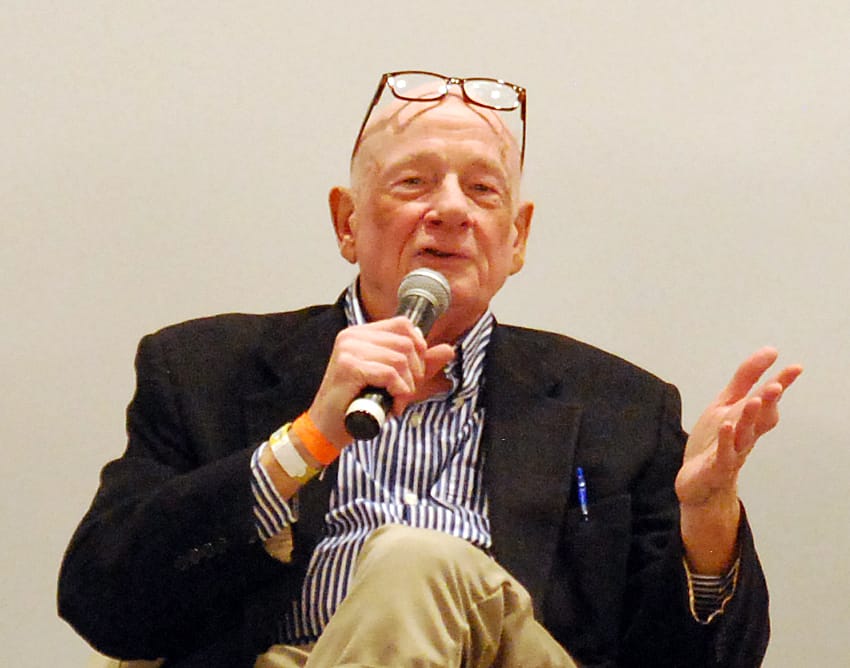
Photograph courtesy of Ehabich, CC BY-SA 4.0
William Peters and colleagues at the Shared Crossing Research Initiative have interviewed people who report sharing part of a dying person's transition.
That work can map recurring features, note who reports them (caregivers, relatives, sometimes clinicians), and set the stories next to near-death reports from people who recovered. It cannot show that consciousness left a body, traveled, or survived. There is no agreed physical marker that would let you verify an unseen journey.
Near-death studies still debate whether reports after cardiac arrest reflect brain physiology, memory construction, or something else. Shared death accounts add a second witness, which is interesting and still not proof. A second person's story can be sincere and still be shaped by expectation, suggestion, and grief.
If a claim in an article or video needs a number you cannot check, set it aside. Pattern plus honesty is enough.
How is this different from a near-death experience or a dream?
A near-death experience is usually reported by the person whose body was in crisis, after they recovered. A shared death experience is reported by someone who was not the one dying. The difference is who speaks.
Grief dreams, visitations in sleep, and the felt presence of the dead after a funeral sit close in the heart and differ in timing. Shared death reports cluster around the dying itself: the hours, minutes, or the felt instant of leaving. Dreams can come weeks later. You can honor both without stacking them into one proof.
Out-of-body reports in the living, including those studied in labs, are another neighbor. They show that the sense of leaving the body can arise without death. The brain can generate a leaving. That is no reason to sneer at a bedside witness as if the only possible cause were fraud.
If you are sorting your own account, ask three plain questions. Who was dying? Where were you? What did you notice before you named it as a spiritual event? Write those answers first.
How do you hold such an account with honesty?
Hold it as testimony, not as a verdict on the universe. You can say: this happened to me, it mattered, I do not know what it was. That sentence is stronger than a slogan.
Do not pressure other relatives to match your story. Do not use it to shut down medical facts about how the person died. Do not turn it into a guarantee that you will meet them in the same way. Love does not need a receipt.
If the memory is heavy, keep it company with rest, food, and one trusted listener. Guided meditations can help you sit with grief without forcing a meaning. If sleep, panic, or function fall apart, that is a care question, not a spiritual failure. Seek ordinary help.
This week, if the story is yours, tell it once to someone who will not argue you out of it or inflate it. If the story is someone else's, listen, then ask what they need: silence, a meal, or help with the practical work of a death. Honesty looks like presence, not a thesis.
Sources
Numerologist and Master Teacher
Brian Wroblewski is the founder of The Healer's Code. He reads charts with the Pythagorean system and teaches people how to understand the numbers they were born with.