TL;DR
A small body of research, most notably a study by Kenneth Ring and Sharon Cooper, documents blind people who report visual-like perceptions during near-death and out-of-body experiences. The accounts are striking but the evidence is based on retrospective interviews, not controlled tests, so it is best treated as intriguing and unproven rather than settled.
Do Blind People See During Near-Death Experiences?
Some blind people report visual-like perceptions during near-death and out-of-body experiences, including a few who describe having been blind from birth. The main source here is research by Kenneth Ring and Sharon Cooper, published in the Journal of Near-Death Studies in 1997 and later expanded in the book Mindsight: Near-Death and Out-of-Body Experiences in the Blind.
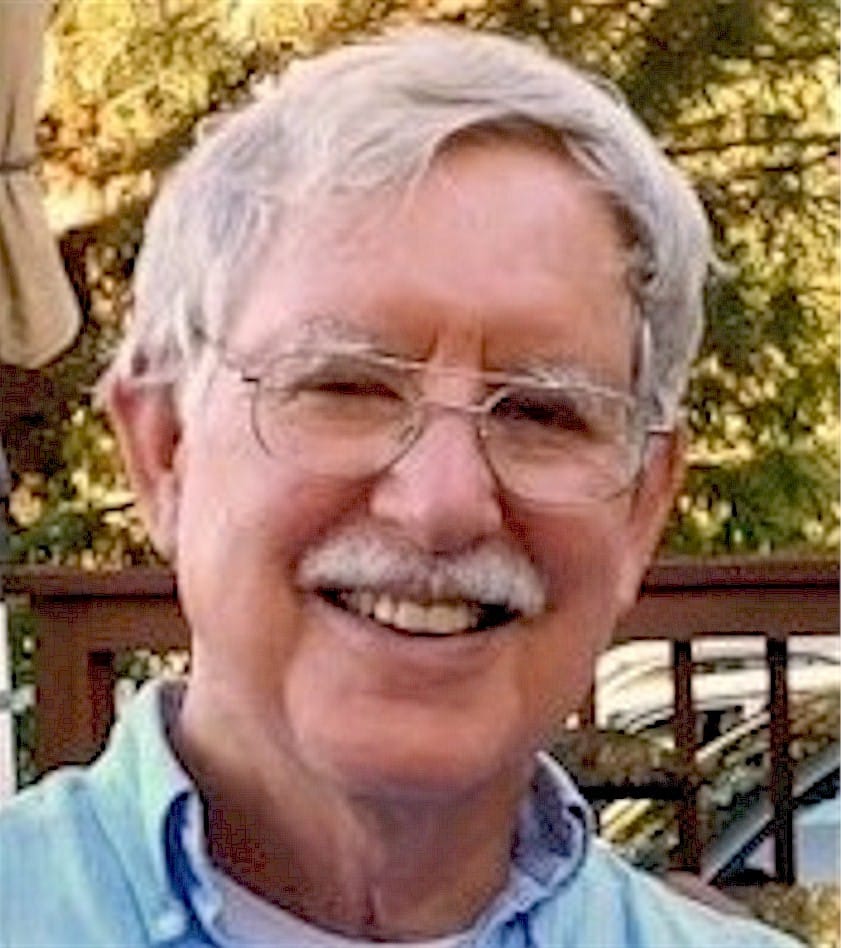
Photograph courtesy of Kenneth Ring, CC BY-SA 4.0
By their own account, they gathered case material from a small group of blind participants who described these experiences. The stories are genuinely striking. But they rest on interviews recalled after the fact, not controlled testing under monitored conditions. So the honest verdict is: fascinating, and far from proven.
What did the research actually claim?
Kenneth Ring, a psychologist and a founding figure in near-death studies, teamed up with Sharon Cooper to interview a small group of blind people who reported near-death or out-of-body experiences. Their findings appeared in the Journal of Near-Death Studies (1997) and in the book Mindsight.
Some participants said they had been blind from birth. Many described what Ring and Cooper called "mindsight": an awareness that felt like seeing, even though these individuals had no visual experience in ordinary life.
Some accounts included sharp, specific details. One frequently cited participant, Vicki Umipeg, blind from birth, told Ring in interviews that she watched her own body from above during a hospital experience and recalled details she said she had no ordinary way of knowing. That account comes from her own retrospective report and hasn't been checked against hospital records.
Ring and Cooper chose their words carefully. They never claimed this was normal eyesight. What they described was a perception that resembled sight but didn't line up neatly with how sighted people describe vision.
How strong is the evidence?
This is where honesty matters. The evidence is suggestive, not conclusive.

The study was retrospective. Participants were interviewed after the events, sometimes years later. Memory reshapes itself over time, and a dramatic experience can get rebuilt in the retelling until it feels more vivid and more certain than what actually happened.
The sample was also small and self-selected. People with unusual experiences were the ones who came forward, which tells us little about how common such experiences actually are among blind people in general.
And there was no independent, real-time verification of most reported details. The accounts couldn't be checked against hospital records or outside witnesses at the moment they occurred.
None of this makes the accounts false. It just means they can't carry the weight of proof on their own. A well-controlled, prospective study would tell us far more than a stack of retrospective personal accounts ever could.
What are the honest explanations on the table?
Several possibilities could account for what Ring and Cooper described, and a careful reader holds them all at once.

Reconstruction from other senses. Blind people gather rich information through hearing, touch, and spatial awareness. A brain under extreme stress might weave that information into something that feels visual, the way a dream can feel "seen" even with your eyes closed.
Cultural and expectation effects. We all carry cultural pictures of what a near-death experience "should" look like. When memory fills in gaps, it may borrow from that shared script.
Something not yet explained. It's still an open possibility that perception during these states works in ways science hasn't fully mapped. Ring himself leaned toward this reading, while admitting the limits of his own data.
Good research doesn't require picking one answer early. It asks you to keep the question open and demand better evidence.
Why does this question matter so much?
If a person blind from birth could genuinely perceive their surroundings during an out-of-body experience, it would raise hard questions about how brain activity and conscious perception actually relate. That's a big claim, which is exactly why the bar for evidence has to be high.
The topic also touches something tender. Many people want these accounts to be true because of what they might mean about the mind and about survival after death. That longing is human and worth respecting. It's also exactly why extra care matters, since we tend to believe most easily the things we most want to be true.
You can find these reports moving and still insist on rigor. Those two things aren't in conflict.
How should a thoughtful seeker hold this?
Treat the blind-NDE accounts as an open question, not a closed case. They're among the most intriguing observations in near-death research, and also among the least tested.
If you're drawn to these questions, pay attention to what's actually pulling you in. Sometimes curiosity about what lies beyond ordinary perception is really an invitation to sit more quietly with your own inner life. Practices that steady the mind, like guided meditations, can be a grounded way to explore that curiosity for its own sake, as a tool for reflection rather than a way to settle unresolved scientific questions.
Stay curious. Stay honest. Let the evidence be what it is, and let your search be bigger than any single study.
Guided meditation
Sit with the fear of death
The mind cannot argue its way out of this fear. This guided practice meets it a different way.
Listen freeThe bottom line
Some blind people have reported sight-like perception during near-death experiences, and researchers have documented and published these accounts. That documentation doesn't prove they literally saw in any conventional sense. Both statements can be true at once, and holding them together is the mark of an honest seeker.
Note: This article discusses near-death experience research for reflective and educational purposes. It is not a medical, psychological, or scientific claim about the nature of consciousness, and nothing here should be read as diagnostic or predictive.
Sources
Numerologist and Master Teacher
Brian Wroblewski is the founder of The Healer's Code. He reads charts with the Pythagorean system and teaches people how to understand the numbers they were born with.