TL;DR
Shamanism is a set of practices, found in many cultures, in which a specialist enters an altered state of consciousness to work on behalf of a community. It is not a single religion, and the word itself comes from one specific people, so it deserves careful, respectful use. This guide explains the core ideas, the honest history, and how to learn about it without taking what isn't yours.
Shamanism is not one religion. It's a term scholars use for a set of practices, found across many cultures, where a trained specialist enters an altered state of consciousness to reach a spirit world and bring back help for their community: healing, guidance, or a way through some crisis. The word itself comes from a specific people in Siberia, and that origin matters once you start using it.
If you're curious about shamanism, slow down. That's the most useful thing you can do. These are living traditions with real teachers and real communities behind them, not a costume or a theme for a weekend workshop. Below is a plain map of the territory.
Where does the word "shaman" come from?
The word "shaman" traces back to the Tungus-speaking Evenki people of Siberia, where it named a particular kind of religious specialist. Linguists still argue over exactly how the word traveled into European languages, but the Evenki root in Siberia is the generally accepted starting point. European travelers and later scholars picked it up and stretched it far beyond its origin, applying it to ritual specialists across the Americas, the Arctic, Central Asia, and beyond.

Photograph courtesy of A. A. Makarenko / Russian Ethnographic Museum, Creative Commons
That stretching is exactly why the word can mislead. A healer in the Amazon, a diviner in Mongolia, and a ceremonial leader in the Arctic are doing different things inside entirely different worldviews. Calling all of them "shamans" flattens real, meaningful differences.
Anthropologist Mircea Eliade helped popularize the study of shamanism in the West with his 1951 book, usually translated as "Shamanism: Archaic Techniques of Ecstasy." His work shaped the field, but scholars still debate it, since he leaned hard into certain patterns and glossed over others. Treat any single grand theory of shamanism with a healthy amount of caution.
What does a shaman actually do?
At the center of most descriptions is controlled trance. The shaman deliberately shifts their state of consciousness, often through drumming, chanting, dancing, fasting, or in some traditions plant medicines, in order to travel to or communicate with a spirit realm.

Photograph courtesy of suncana / Musée du quai Branly, Creative Commons
The purpose is practical and communal, not personal entertainment. Roles described across the anthropological literature commonly include:
- Healing the sick, often by addressing a spiritual cause behind a physical illness.
- Guiding the souls of the dead, sometimes called psychopomp work.
- Divination: finding lost things, answering questions, tracing the causes of misfortune.
- Mediating between the community and the powers of the land, weather, or animals.
A shaman is usually recognized by their community, not self-appointed. In many cultures, the role comes through hardship: a serious illness, a vision, or a period of ordeal that marks someone as called. Training under an established teacher can take years, sometimes a lifetime.
Is shamanism a religion?
Not in the way people usually mean the word. Think of shamanism as a practice or a role that shows up inside many different religious and cultural systems, sitting alongside a community's larger cosmology rather than replacing it.

That's part of why you find shamanic practices in places that otherwise share almost nothing: the Arctic, the Amazon, the Himalayas, parts of Africa, Indigenous North America. The outer form repeats, but the beliefs wrapped around it belong to each culture alone.
Because of this, there's no single shamanic scripture, no founder, no central authority. What holds a given tradition together is its community, its land, and its lineage of teachers.
What is core shamanism, and why is it controversial?
In the twentieth century, some Western writers, Michael Harner chief among them, distilled practices from many cultures into a simplified system called "core shamanism," built to be taught to anyone regardless of background.
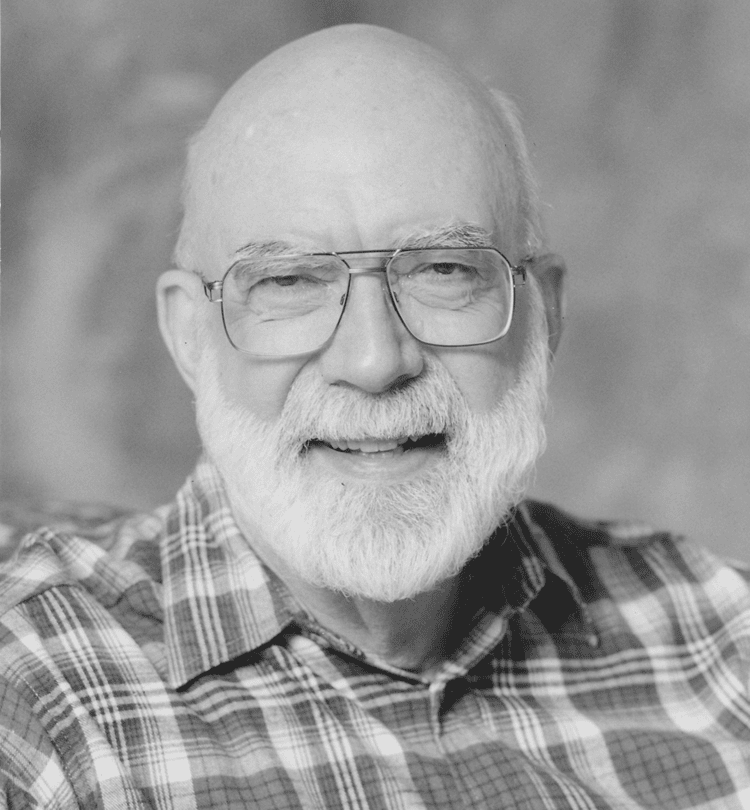
Photograph courtesy of Foundation for Shamanic Studies, Creative Commons
This is largely what the wellness-world workshop and book market sells today.
Core shamanism has real appeal. It makes techniques like drumming and guided journeying accessible to outsiders who'd otherwise have no entry point. But it also raises fair concerns, ones anthropologists and Indigenous writers have pointed out for years. When practices get lifted out of their communities and sold, the original peoples watch their sacred work stripped of context and sometimes badly misrepresented.
What many Indigenous commentators ask for usually isn't "never learn anything." It's closer to this: know where a practice comes from, don't claim a title you haven't earned, and don't sell ceremonies that were never yours to sell.
How can you explore shamanism respectfully?
Start as a student of history and culture, not a shopper hunting for a new identity. Read what Indigenous authors and serious scholars have written about specific traditions, rather than treating "shamanism" as one generic product on a shelf.
A few habits keep you grounded:
- Learn the specific tradition. A Sámi tradition and a Shipibo tradition are not interchangeable.
- Be honest about what you're actually doing. A drum meditation you picked up online is a personal practice, not initiation into a lineage.
- Watch for red flags: anyone promising instant mastery, guaranteed visions, or a certificate that makes you a "shaman" deserves a skeptical eye.
- Support source communities directly when you can, instead of only funding the middlemen who repackage their knowledge.
If what you're really after is your own inner life, say so plainly. Plenty of honest contemplative practices exist, from meditation to reflective ritual, that don't require borrowing another people's sacred role. You can respect what shamanism is without pretending to be one, and if you want a structured entry point, guided meditations offer a grounded place to start.
How does this connect to self-reflection tools like numerology?
Shamanism and numerology are different things, and it's worth keeping them that way in your head. Shamanism is a communal role rooted in specific cultures. Numerology, in the Pythagorean system used in the community, is a personal tool for reflection: a structured way to examine your patterns and choices, including the Master Numbers 11, 22, 33, and 44 as they appear in The Healer's Code method.
What the two do share is an attitude worth keeping: inner work asks for humility and attention. A number in a chart, like a story from a tradition, works as a mirror for self-reflection. It isn't a prediction of your future, and it isn't a substitute for medical, financial, legal, or psychological advice. If you want a deeper personal read, you can always get your Soul Blueprint.
Meet any depth practice the same way. Stay curious, stay honest about what you know and what you don't, and let respect set the pace.
Sources
Numerologist and Master Teacher
Brian Wroblewski is the founder of The Healer's Code. He reads charts with the Pythagorean system and teaches people how to understand the numbers they were born with.