TL;DR
Mysticism is the pursuit of direct, firsthand experience of the sacred, rather than belief alone. Nearly every major tradition has a mystical stream: Christian contemplatives, Jewish Kabbalists, Sufi Muslims, Hindu and Buddhist meditators, Daoists, and countless indigenous paths. Their methods differ, but they tend to share stillness, surrender, and a sense of union that words cannot quite hold.
What Mysticism Actually Is, and How Different Traditions Practice It
Mysticism is the search for direct, firsthand experience of the sacred, not knowledge about it passed down through doctrine. Nearly every major tradition has a mystical stream running through it, and while the language shifts from one to the next, the aim tends to rhyme: touch something larger than the everyday self and let it change you.
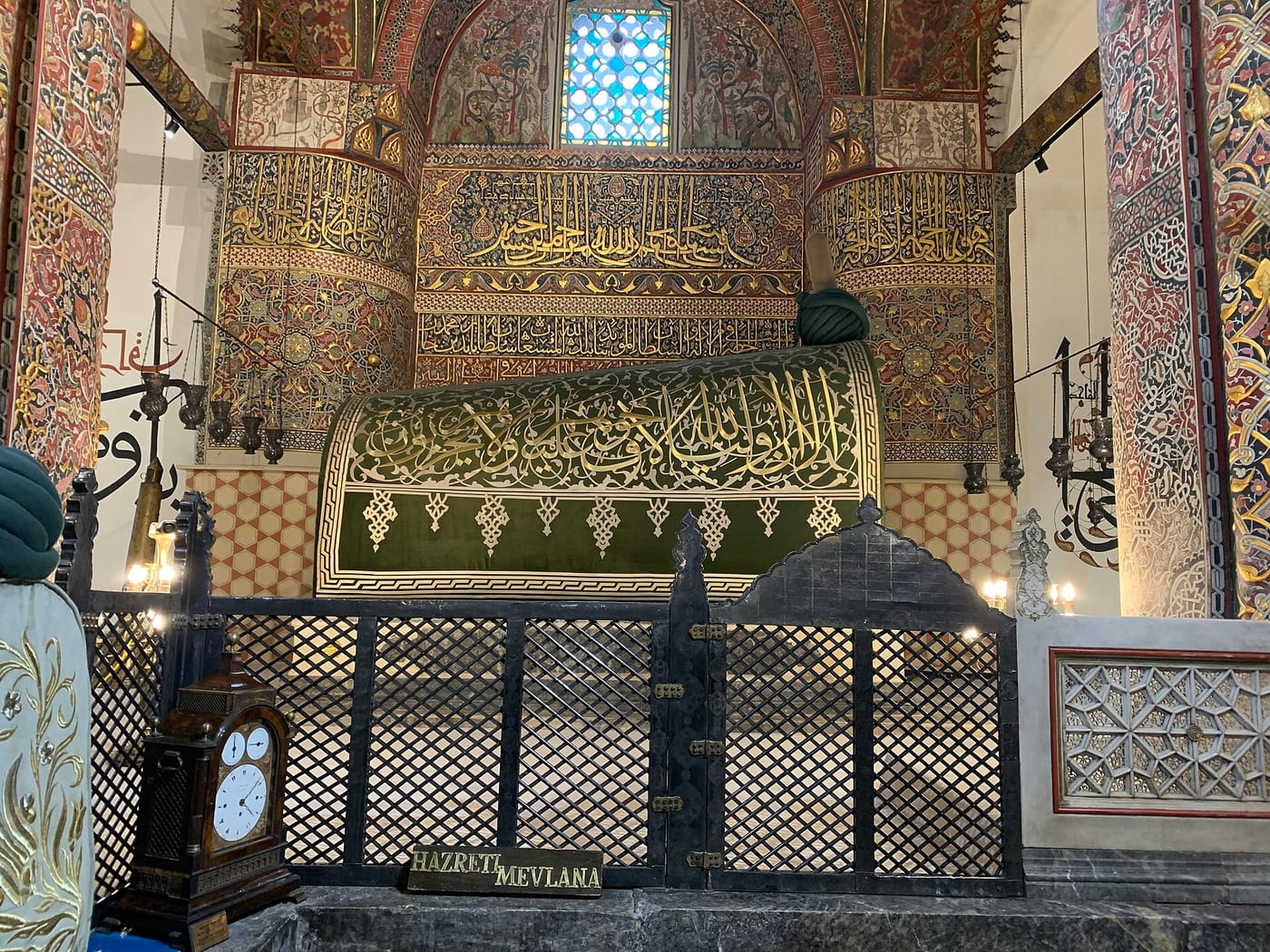
Photograph courtesy of Hilola Jurakulova, CC BY 4.0
You don't need to belong to any faith to find this interesting. The mystics were often asking the most human question there is: what is actually real, and can I meet it myself?
What does the word "mysticism" really mean?
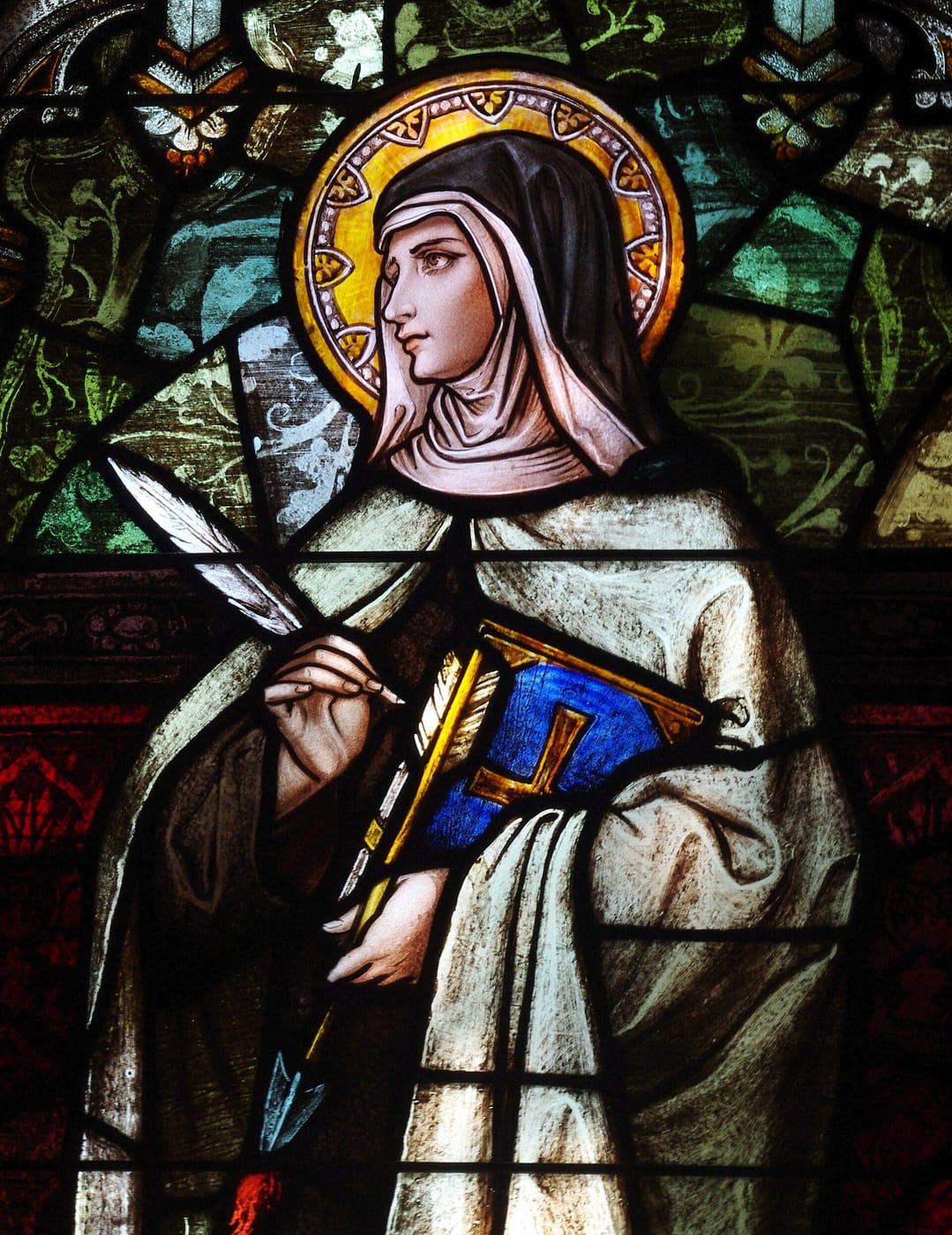
Mysticism favors experience over explanation. A theologian studies God. A mystic wants to encounter the divine directly, then live differently because of it.
Photograph courtesy of Nheyob, CC BY-SA 4.0
The word traces back to the Greek mysterion, tied to silence and to things kept hidden. That root matters. Mystics across traditions tend to agree that the deepest experiences resist plain description. They reach for metaphor because ordinary speech runs out.
This is why mysticism isn't the same as belief. You can hold a belief with no felt experience behind it at all. Mysticism asks for the experience itself.
Which traditions have a mystical stream?
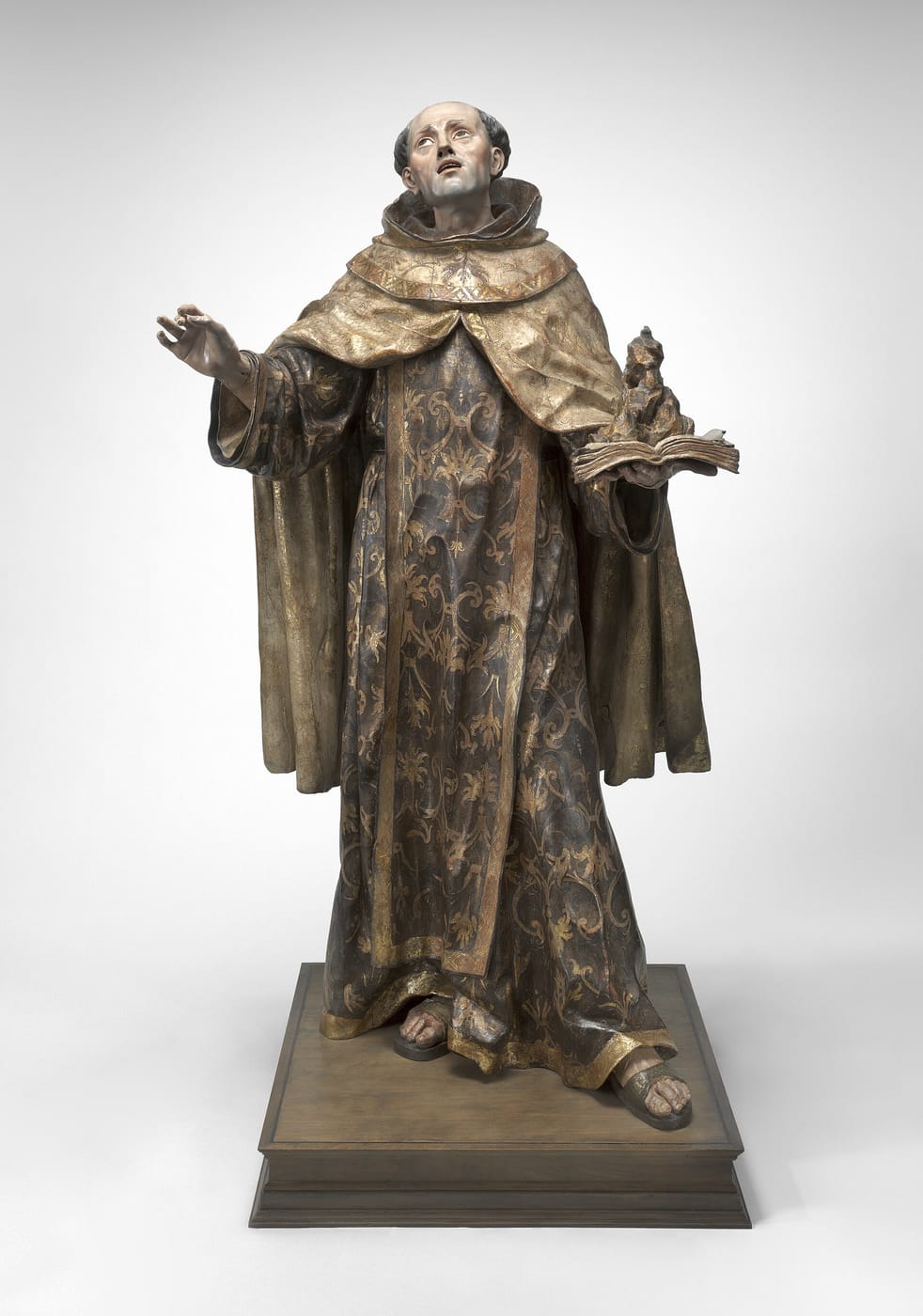
Nearly all of them. The mystical current usually runs alongside the mainstream faith, sometimes celebrated, sometimes eyed with suspicion by religious authorities.
Photograph courtesy of National Gallery of Art, Washington, CC0
Here's a brief, respectful map.
Christianity has a long contemplative line: the Desert Fathers and Mothers, figures like Meister Eckhart, Teresa of Ávila, and John of the Cross, and practices such as centering prayer and lectio divina. The goal is often described as union with God through love and surrender.
Judaism carries Kabbalah, a mystical tradition built around the Tree of Life and the sefirot), the divine emanations. Hasidic movements later brought a fervent, joyful devotional flavor to Jewish spiritual life.
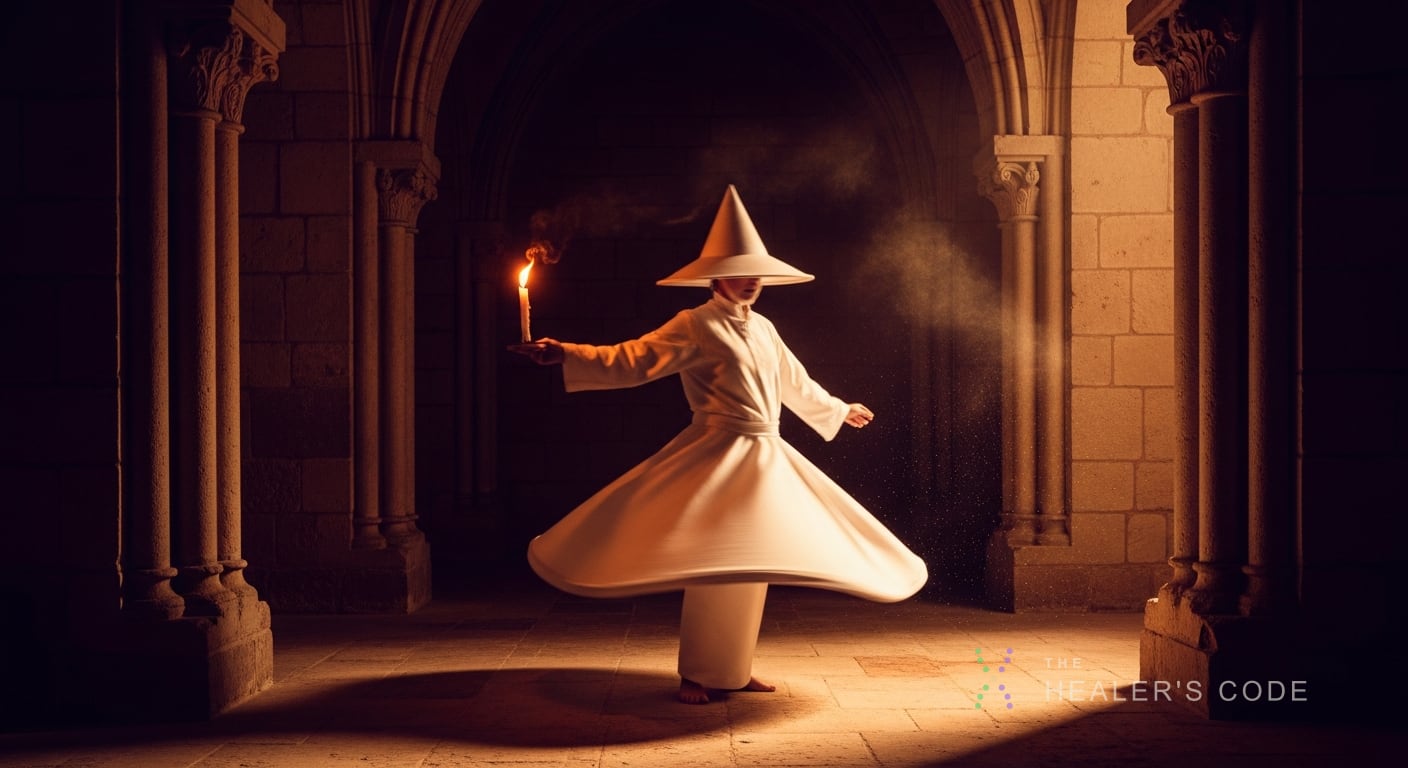
Islam holds Sufism, the path of the heart, known for remembrance of God (dhikr), poetry, and practices of longing and dissolving the ego. Rumi and Ibn Arabi are among its best known voices, and the whirling of the Mevlevi dervishes remains one of its most recognizable expressions; you can read more in What Sufi Whirling Really Means and Why the Dervishes Turn.
Hinduism offers many roads, including the nondual insight of Advaita Vedanta, the devotional love of Bhakti, and the disciplined stillness of yoga and meditation aimed at realizing the true Self.
Buddhism is, in a sense, built around direct experience. Meditation, insight, and awakening sit at its center. Zen, Dzogchen, and Vipassana are different doors into the same room.
Daoism points toward harmony with the Dao, the way things naturally move, through simplicity, non-forcing (wu wei), and quiet attention.
Indigenous and earth-based paths across the world hold their own forms of direct encounter with the sacred through land, ancestors, ceremony, and community. These deserve to be understood on their own terms, not flattened into a single category.
What do mystics across traditions have in common?
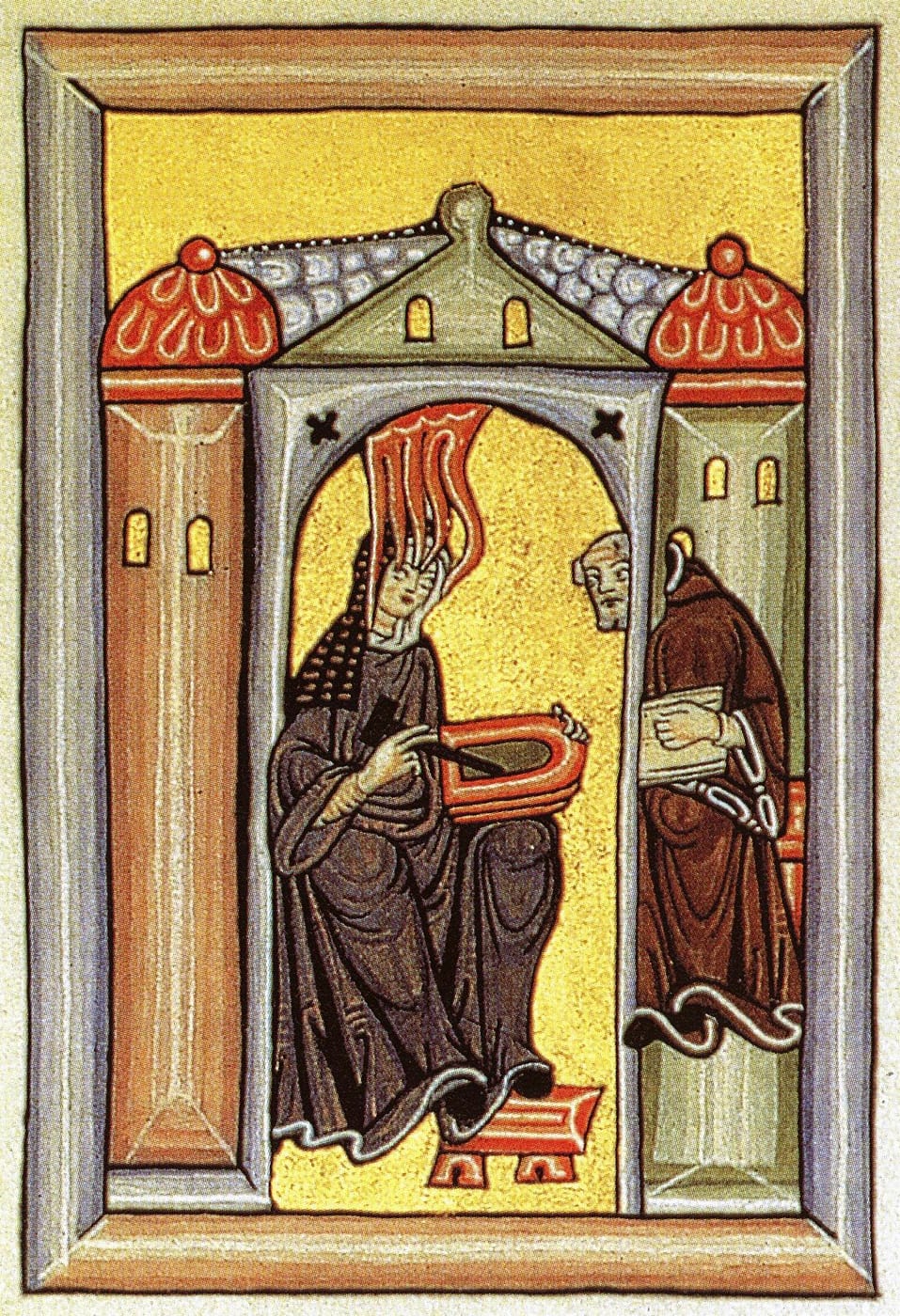
Their doctrines differ sharply, yet the reported experiences often share features. That doesn't prove the traditions are secretly identical. It just shows recurring human patterns worth noticing.
Photograph courtesy of Scivias manuscript illumination, Public domain
- Stillness and attention. Almost every path uses some discipline to quiet the noisy, grasping mind.
- Surrender. A loosening of the ego's grip, described as letting go, dying to self, or emptying.
- Union or nonduality. A felt sense that the usual line between "me" and "everything else" thins or dissolves.
- Ineffability. The conviction that the experience can't be fully put into words.
- Transformation. Real mysticism tends to change how a person lives, usually toward more compassion and less self-centeredness.
Scholars have debated whether these shared traits mean all mystics touch the same reality. That's a genuine open question, not a settled fact. It's honest to sit with it rather than force an answer. Some point to modern research, like What Science Actually Understands About Consciousness, as a way to hold that question with more nuance.
How is mysticism different from magic or fortune-telling?
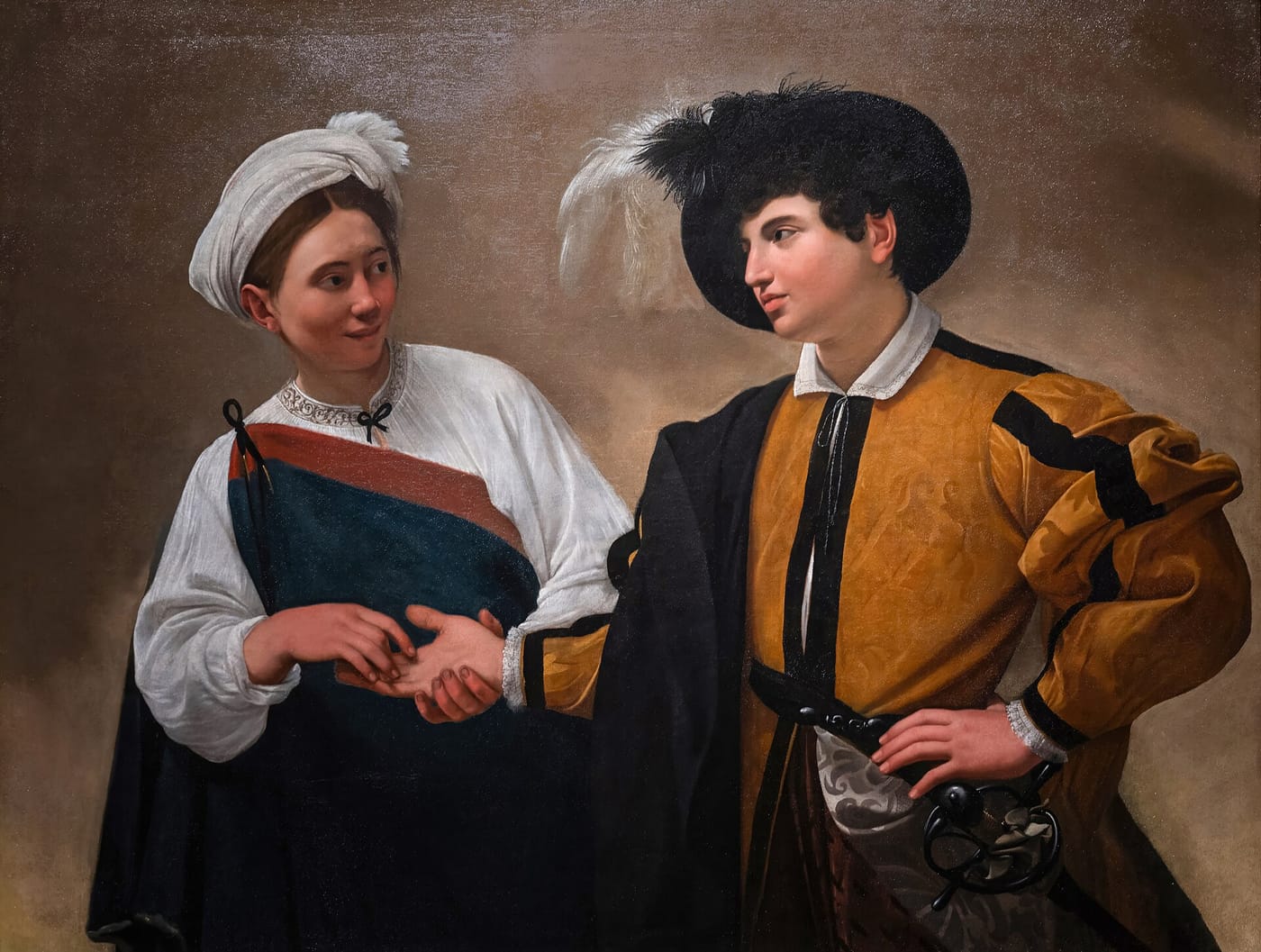
Mysticism is about relationship and realization, not control or prediction. The mystic is usually trying to surrender the self, not gain power over the future.
Photograph courtesy of Caravaggio, Public domain
That distinction keeps you grounded. If a practice promises to guarantee outcomes, bend events to your will, or reveal exactly what's coming, that's a different claim than what most mystical traditions actually make.
Tools for self-reflection can still sit near this work. Contemplative reading, journaling, meditation, and even a system like numerology can help you notice patterns in your own life and character. If you're curious how that works, How to Calculate Your Life Path Number and Read What It Means is a good place to start. Used well, numerology is a mirror for reflection, not a forecast of what will happen, and it's not a substitute for medical, financial, legal, or psychological guidance. Kept in that lane, it can support the inner attention that mystical paths ask for. If you want a more personal starting point, you can get your Soul Blueprint as a way to begin that reflection.
How can you explore mysticism honestly and safely?
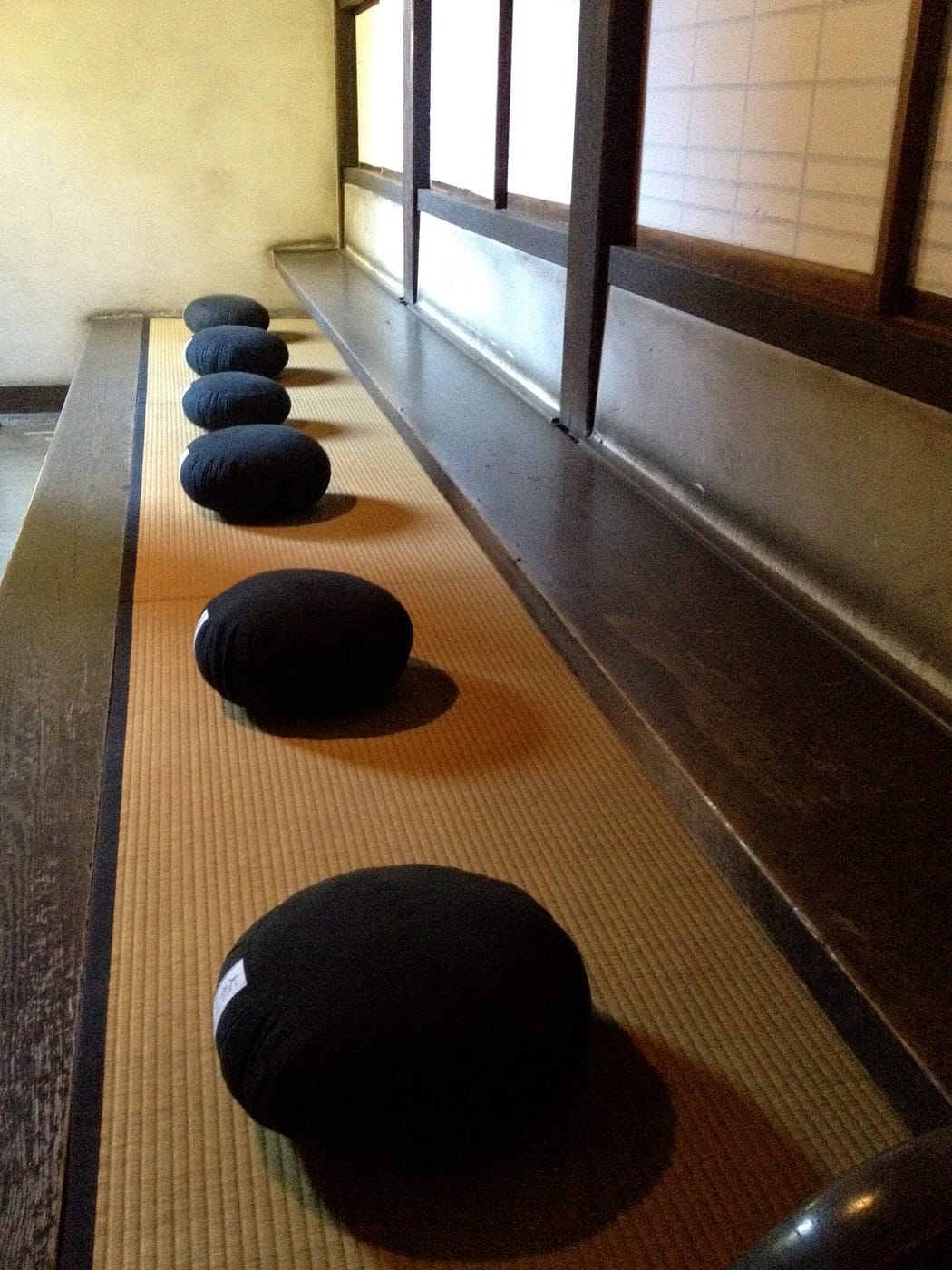
Start small, stay curious, and keep both feet on the ground. You don't need to convert, and you don't need dramatic experiences to be doing it right.
Photograph courtesy of Ph0kin, CC BY-SA 3.0
A few grounded suggestions:
- Read primary voices. Rumi, Teresa of Ávila, the Tao Te Ching, and Buddhist meditation guides let the traditions speak for themselves.
- Try a simple practice. Ten quiet minutes of breath attention or contemplative reading teaches more than a stack of theory. Our guided meditations can help you build that habit.
- Respect context. Indigenous and closed practices aren't open to everyone. Learning where you're welcome is part of the respect.
- Keep discernment. Be wary of anyone who charges heavily, isolates you, or claims sole access to truth. Depth doesn't require a gatekeeper who fears your questions.
- Find company. Walking with others keeps you honest and encouraged. If you want fellow seekers, the community is one place to begin.
Mysticism isn't a performance and it isn't a shortcut. It's patient, ordinary, and quietly demanding. The reward isn't a trick you can show off. It's a slow change in how you see, and how you love.
Sources
Numerologist and Master Teacher
Brian Wroblewski is the founder of The Healer's Code. He reads charts with the Pythagorean system and teaches people how to understand the numbers they were born with.