
TL;DR
You are not a broken object waiting to be repaired. Christian grace, Buddhist compassion, and modern psychology all return you to the same ground: worth comes before improvement. You can grow, repent, and practice without treating yourself as a problem to solve.
You are not broken. Christian grace, Buddhist compassion, and modern psychology all point to the same ground: your worth does not wait for you to improve. You are already enough, even when your feelings argue otherwise.
Why does it feel like I am the problem?
Many of us learned to earn love. Be easier. Be better. Be less of a burden. The mind turns the self into a project that never ends.

That ache is real. It does not prove you are defective. It is often a learned story that began to sound true.
You can be in pain, make mistakes, or need change, and still not be broken. Hurt and worth share the same space.
What does Christian grace actually claim?

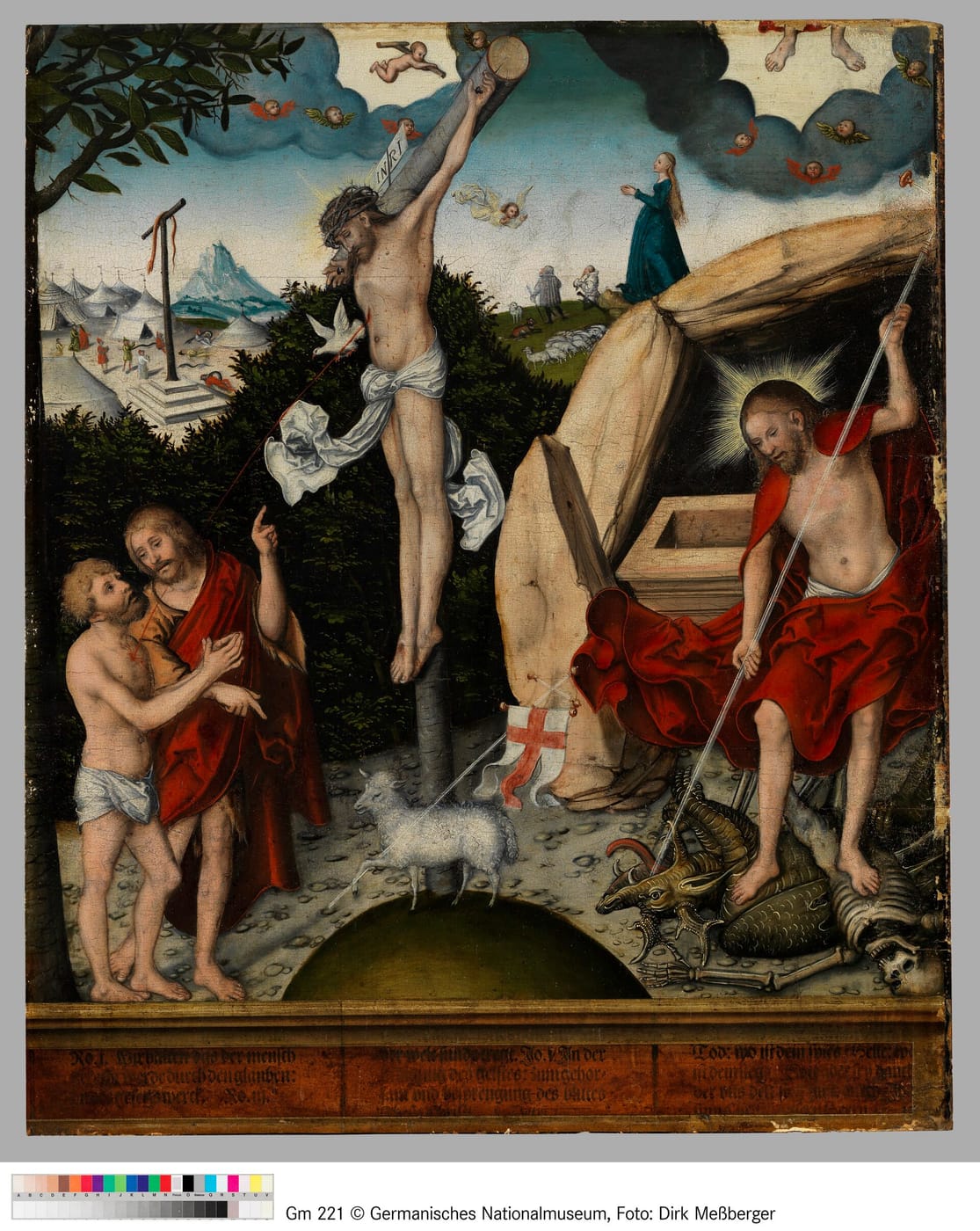
Photograph courtesy of Germanisches Nationalmuseum, Creative Commons
Grace, in Christian terms, is a gift, not a wage. You do not earn it after cleaning yourself up.
Genesis 1:27 states that human beings are made in the image of God. That claim is not a prize for the well behaved. It starts the story.
Ephesians 2:8-9 calls salvation a gift, "not by works, so that no one can boast." You can still repent. You can still grow. Belonging is not the bonus at the end. It is the ground under your feet.
Some communities turned shame into a tool. That is not grace. The older claim stands: you are loved before you perform.
How does Buddhist compassion meet the self that suffers?
Buddhism does not ask you to prove you are special.
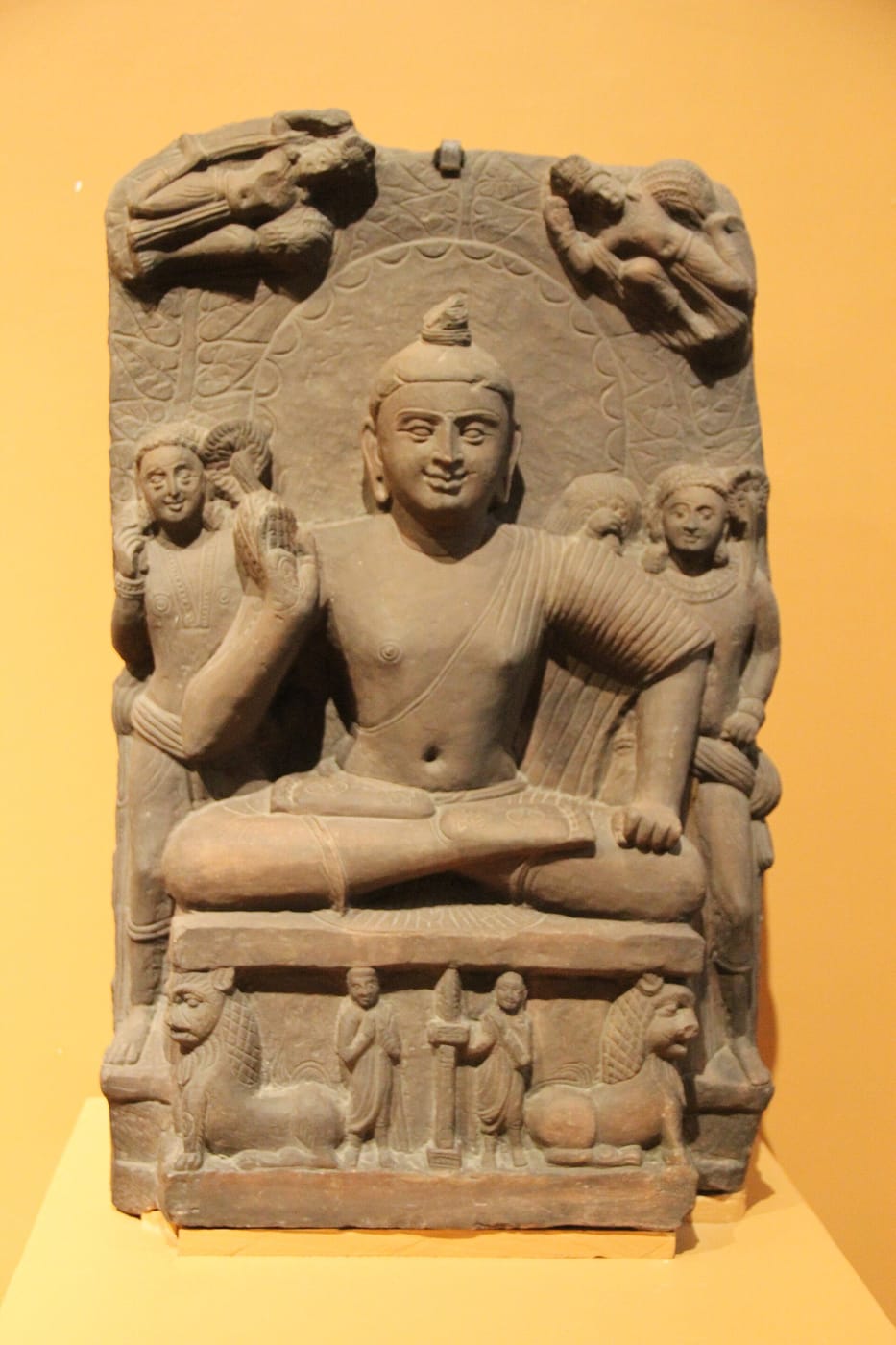
Photograph courtesy of Gary Todd, Creative Commons
It asks you to see that suffering is ordinary and that cruelty toward yourself does not end it.
Compassion, including for your own mind, is a practice. You meet pain the way you would meet a tired, afraid friend: without exile, without drama.
Loving kindness and compassion train you to include yourself in the circle of care. Many Mahayana paths speak of Buddha nature: the capacity for awareness and kindness is already present. You practice to remember, not to become worthy.
When you fail, you notice. You soften. You begin again. The self is not a ruined object. It is a process that can be met with care.
Want this read on your own numbers?
Your Blueprint turns these ideas into a personal map, calculated from your name and birth date.
What does modern psychology say about self worth?
Psychology, at its honest best, does not tell you to believe you are perfect. It notices that contempt for the self is a poor engine for change.

In On Becoming a Person (1961), Carl Rogers described unconditional positive regard: being received as a person rather than as a score. Albert Ellis, in rational emotive behavior therapy, argued for unconditional self acceptance. You refuse to rate your entire being as a success or a failure based on one act.
Kristin Neff, in Self Compassion (2011), names three moves: be kind to yourself in pain, remember that struggle is shared, and notice your thoughts without drowning in them.
None of this guarantees an easy mood. It offers a stance. You grow because you are already a person of worth, not so that you might one day deserve to be one.
Where do these three routes meet?
They meet in a quiet claim you can test in your own life. You are not an object to repair. You are a human being who suffers, learns, and belongs.
Grace says the gift comes first. Compassion says the capacity is already there. Psychology says warmth grows change better than attack.
You do not have to join a team to receive this. You can pray, sit in silence, talk with a therapist, or do all three. The ground does not require a password.
If you use numbers as a language of reflection, you can Find your numbers. Treat them as a mirror for patterns, never as a verdict on your value. A chart cannot tell you whether you are enough. You already are.
What do I do on the days I cannot feel it?

Do not wait to feel worthy before you practice worth. Start with one honest sentence: This is hard, and I am still here.
When the inner critic speaks, you do not have to win the argument. Name the voice. Then add a second one that is at least as kind as you would be to someone you love.
If you pray, pray as someone already held. If you meditate, sit as someone already included. If you seek counsel, tell the truth about shame without letting shame become the whole story.
Enough is not a mood you chase. It is a place you return to, again and again, until returning becomes familiar.
Sources
Brian Wroblewski
Numerologist and Master Teacher
Brian Wroblewski is the founder of The Healer's Code. He reads charts with the Pythagorean system and teaches people how to understand the numbers they were born with.