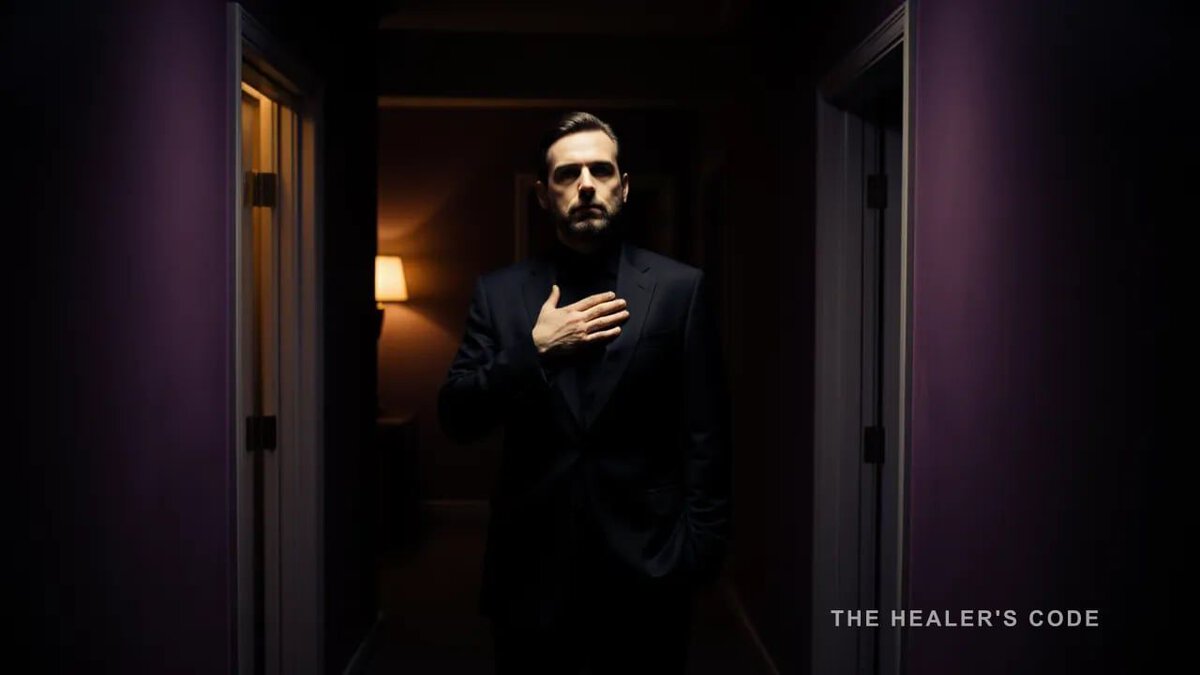
TL;DR
A gut sense is the quiet mix of body, memory, and attention, and it is worth treating as data. Psychology, Zen, and mystical paths all honor that inner knowing without turning it into a prediction. Learn to tell a simple signal from fear, then take a small honest step.
Title: Trust What You Already Knew
You already know things without fanfare. It is not a show, a promise, or a private line to what comes next. It arrives when your body, memory, and focus meet the moment, before you explain it away.
Psychology, Zen, and the mystics treat that gut sense as information worth hearing. You do not have to worship it. You also do not have to argue it away.
What is inner knowing, really?
Inner knowing is the sense that shows up before your explanation. It can be a plain no. It can be ease in the chest. It can be the wordless recognition that a path fits or does not.

It is not a mood. A mood colors the whole day. A knowing tends to point somewhere, even when it has no words yet.
You have done this all your life. You have walked into a room and felt its weather. You have heard a promise and known, without any briefing, that something missed. That is not a trick. That is attention.
How does psychology treat a gut feeling?

Psychology does not ask you to believe in a hidden power. It notes that you process more than you can narrate in real time.
Your nervous system keeps a record of what you have seen, survived, and practiced. A drop in the stomach, a sudden clarity, a warmth that says stay: these can be the body reporting before language catches up. Intuition, here, is compressed experience, not a message from nowhere.
Stay modest with it. Treat the gut as a first draft, not a final ruling. When you know a field well, the first draft is often strong because you have more patterns to draw from. When the situation is new, or when you are tired or hungry for a certain outcome, the draft may mix old fear with present fact.
That is not a reason to ignore the signal. It is a reason to question it.
What is this feeling pointing at. What do I already know. What would I see if I slowed down for one honest hour.
You do not need to prove the feeling in a lab. You can respect it as one channel of information, then set it next to the rest of your life.
What does Zen say about trusting what arises?
Zen does not crown a special inner voice. It trains you to meet what is here before you wrap it in a story.

A gut sense, seen this way, is just another arising. Heat. Tightness. Openness. A plain yes or no. You feel it. You do not have to turn it into a prophecy or a personality.
Trust here is not belief in a message. It is trust in contact. When you stop fighting the moment, knowing can be simple. When the mind is spinning, everything looks like a sign, and nothing is.
The work is ordinary. Sit. Breathe. Notice. Return. Over time you get clearer about the difference between a quiet fact in the body and the mind's theater around it.
How have mystics described this same quiet knowing?
Mystics across paths have pointed to a knowing that is still rather than loud. They have called it the still small voice, inner light, the heart's intelligence, a presence that does not shout.

Photograph courtesy of Mark Percy, CC BY-SA 2.0
The counsel repeats itself. Loud urgency is rarely the deepest guide. A feeling that flatters you is not the same as truth. Real inner knowing tends to be humble, repeatable, and more interested in love than in winning.
You do not have to join a lineage to recognize this. You have felt the gap between grasping hope and settled recognition. Mystics took that gap seriously. They practiced until the quieter signal was easier to hear.
A mystical frame does not cancel psychology. It names the same human capacity in the language of faith and devotion: you can know something in the body and the heart before you can win an argument about it.
How do you tell intuition from fear or wishful thinking?
Fear is usually loud, fast, and repetitive. It sketches catastrophe. It wants a decision now. It often sounds like an old story in a new outfit.

Photograph courtesy of Ann Cook, CC BY-SA 2.0
Wishful thinking is sweet and slippery. It edits out the facts that would complicate the dream. It calls itself trust while skipping the work.
Inner knowing is quieter. It can be firm without being frantic. It often arrives as one simple sentence, or as no sentence at all, just a bodily yes or no that does not need a stage.
Run a few checks.
Does this feeling stay when you breathe and wait, or does it spike and vanish.
Does it point to a next honest step, or to a grand role you want to play.
Does it leave you more able to be kind, or more certain that you are the exception.
Would you still trust it if it asked you to be slower, smaller, or more accountable.
If the signal survives, treat it as data. If it collapses, thank it for showing you your fear or your hunger. Do not build a life on it.
What do you do with a gut sense once you hear it?

You do not have to wager everything. You can take a step that matches the size of the knowing.
Write it down in plain language. One sentence. Not a manifesto.
Then look for a small test. A conversation. A boundary. A day of waiting. A question asked of someone who will not flatter you.
Keep your feet in the world. Check the practical facts. Intuition that cannot survive a calendar, a promise, or another person's dignity is not wisdom. It is a wish wearing a nice coat.
If you use reflective tools, use them as mirrors, not as masters. A walk, a prayer, a page in a journal, a set of numbers: any of these can help you hear what you already sensed. They do not replace your responsibility. If you want a simple mirror for self-reflection, Find your numbers and sit with what they surface. Do not ask them to predict your future, and do not treat them as medical, financial, or psychological advice.
The point is not to become someone who always knows. The point is to become someone who can hear, wait, and act without abandoning either your body or your reason.
Numerologist and Master Teacher
Brian Wroblewski is the founder of The Healer's Code. He reads charts with the Pythagorean system and teaches people how to understand the numbers they were born with.