TL;DR
Grief is not a demand that you forget. Earth-based, Abrahamic, and contemplative paths all give the dead a place among the living through naming, ritual, and a bond that is allowed to change form. What they share is simple: love can stay without trapping you in the past.
You do not have to leave the dead behind to keep living. Earth-based, Abrahamic, and contemplative paths treat grief as a change in relationship, not a test passed by forgetting. They share a stubborn kindness. The person you love stays part of the living world through naming, ritual, and a bond that changes form.
Why does grief refuse to stay in the past?
Someone you love was woven into your days. When they die, your body still listens for them. Your home still holds their shape. This is not a failure of healing. It is how attachment works.
Lasting traditions did not argue you out of that feeling. They built a place for it, so you would not have to hide the love or rush it into silence.
How do earth-based paths hold loss?

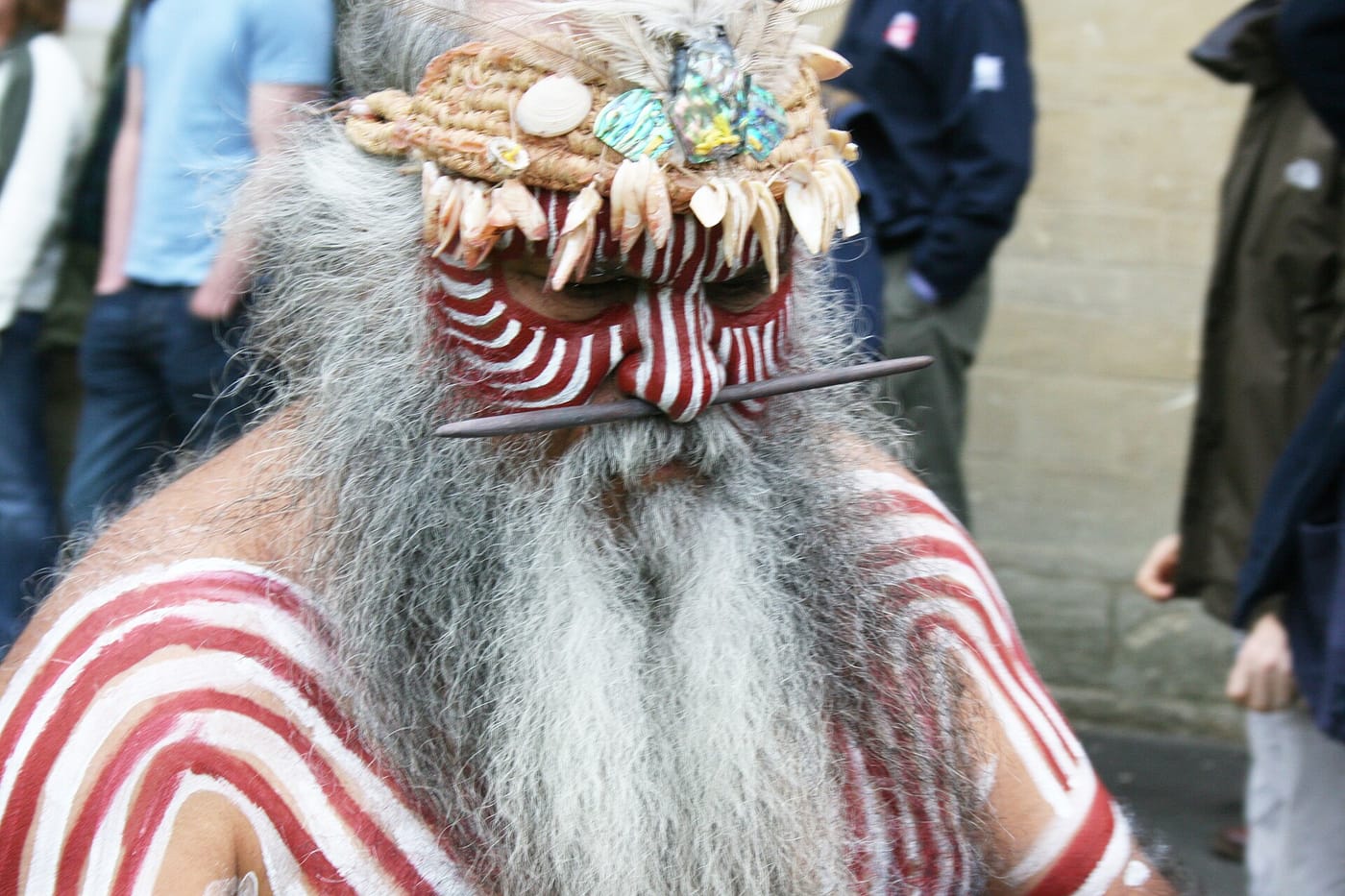
Photograph courtesy of Kevin Walsh, Creative Commons
In many earth-based and Indigenous ways of life, a person who dies does not leave the circle. They become an ancestor. You speak their name. You offer food, water, smoke, or flame. You remember them when the year turns and when the living need counsel.
The land holds memory. So does the family. Grief has a seat because the dead still have one.
The return, here, is seasonal and communal. What dies in winter is not gone from the story of the year. You are not asked to be finished. You are asked to tend the relationship in a new way.
How do Abrahamic traditions keep the dead among the living?
Abrahamic faiths also refuse a clean ending.
In Judaism, you sit shiva. People come to you so you do not have to pretend ordinary life is intact. Kaddish is said in community, a prayer of praise spoken in the presence of absence. Each year a yahrzeit candle is lit, and the name stays on the calendar.

In many Christian communities, the communion of saints means the dead remain members of the church. You pray for them. Some traditions ask them to pray for you. Funerals, memorials, and All Souls observances keep the relationship inside worship, not only inside private ache.
In Islam, you make du'a for the one who died. You visit the grave. You give charity in their name so good continues to move through the world on their behalf. Mourning has a shape, and remembrance continues as an act of love.
None of this demands that you stay frozen. It is a way to keep love inside a shared language.
Want this read on your own numbers?
Your Blueprint turns these ideas into a personal map, calculated from your name and birth date.
What do contemplative paths ask of you?
Contemplative paths, from Buddhist practice to Christian silent prayer, do not hurry you past sorrow. They ask you to sit with what is true.
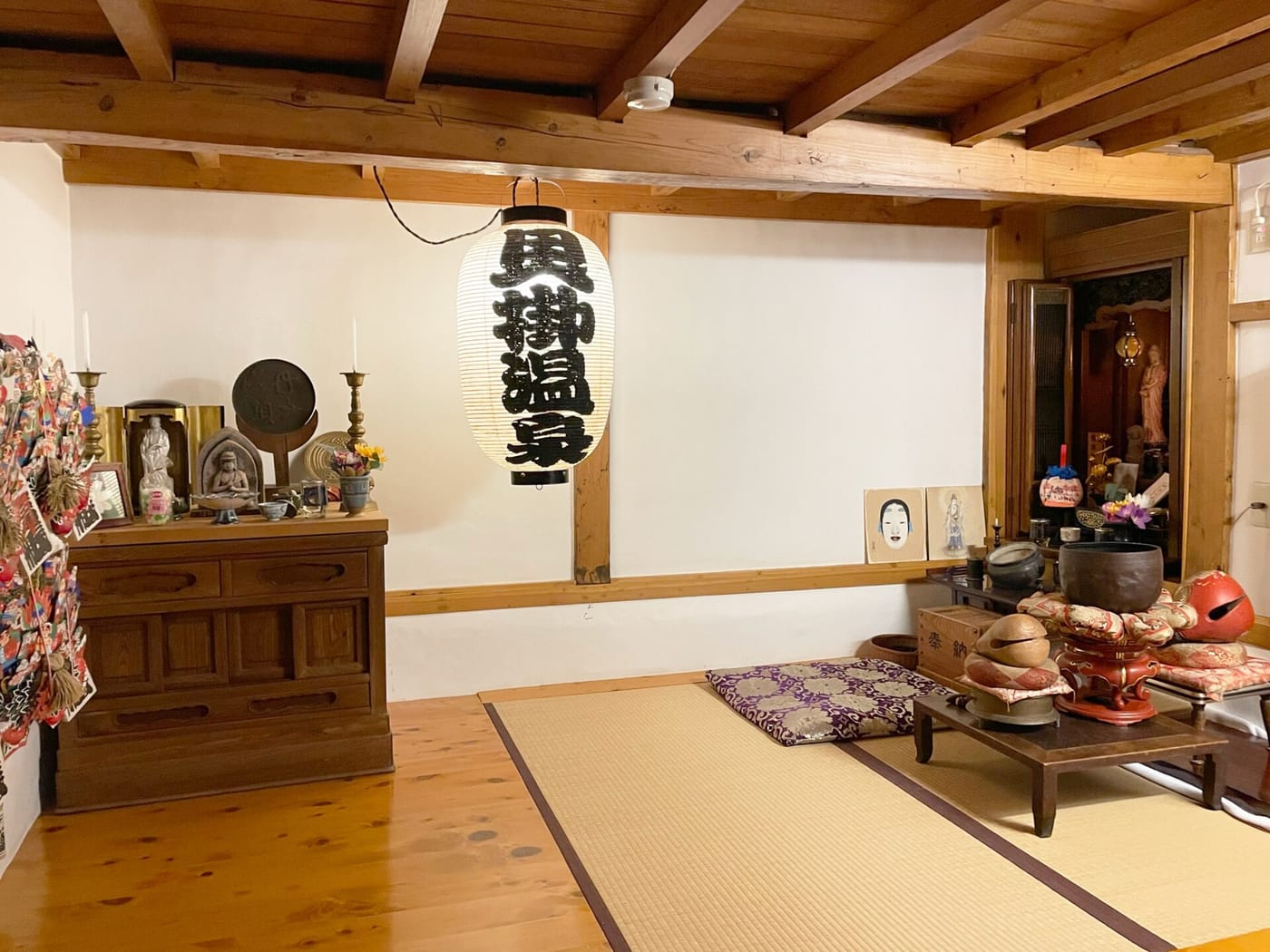
Photograph courtesy of ウィキ太郎, Creative Commons
Impermanence is not a slogan. It is the fact that everything you love will change form. In some Buddhist cultures, ancestor altars are tended with rice, incense, and water. Attention itself becomes the offering.
Christian contemplatives often treat grief as love that needs a place to go. Prayer becomes that place. You do not have to make the feeling neat. You stay, and you tell the truth inside the silence.
The return, in this language, is inward. The person lives in how you pay attention, how you refuse to make pain into a secret, and how you keep your heart from closing against the living.
What do these paths share about letting them stay?
They share a refusal of isolation. Grief is held in a circle, a congregation, a household, a season, not in a locked room.
They share naming. A person who is still named is not finished.
They share simple ritual: a candle, a meal, a prayer, a walk to a grave, a date that returns each year. Ritual is not a trick. It is a way your body can carry what your mind cannot hold all at once.
They share this: you and the dead remain in one story. Calm is not the absence of missing them. Belonging includes those who came before you. Purpose can include carrying a name with care. Forgiveness, of them or of yourself, often becomes possible only when the relationship is allowed to continue.
How do you keep them close without disappearing?

You make a small, repeatable place for them.

Light a candle on an anniversary. Cook what they cooked. Tell one true story to someone younger. Walk a path they loved. Say their name in a prayer, or out loud while you wash the dishes.
Let the relationship change. They cannot take a call. They can still shape how you treat the people who are here.
You do not have to perform a faith that is not yours. The shared pattern is enough: remember on purpose, in a form you can repeat, and keep showing up for the living.
If you want a quiet mirror for this season, you can Find your numbers. Use them as a tool for self-reflection and insight, not as a forecast of your future and not as a verdict on your grief.
Brian Wroblewski
Numerologist and Master Teacher
Brian Wroblewski is the founder of The Healer's Code. He reads charts with the Pythagorean system and teaches people how to understand the numbers they were born with.