TL;DR
The "fifth dimension of consciousness" is not a physics measurement. It is a metaphor for a way of living rooted in awareness, compassion, and inner freedom rather than fear and separation. You can treat it as a practice, not a place you arrive at, and it lines up with older wisdom traditions that have described similar shifts for centuries.
What People Mean by the Fifth Dimension of Consciousness
"Fifth dimension of consciousness," or 5D, is a metaphor. It's not a place and it's not something you can measure. It describes a way of moving through life from awareness, compassion, and connection instead of fear, scarcity, and separation. Think of it as a shift in how you relate to your own mind and to other people, not a destination you travel to.

Used well, the idea works as a mirror. Used carelessly, it becomes an excuse to skip past real feelings and real responsibilities. This guide keeps it grounded.
What does "fifth dimension of consciousness" actually mean?
Start by separating two things that get tangled together: dimensions in physics and dimensions in this spiritual language.
Photograph courtesy of Tigerfarm1, CC0
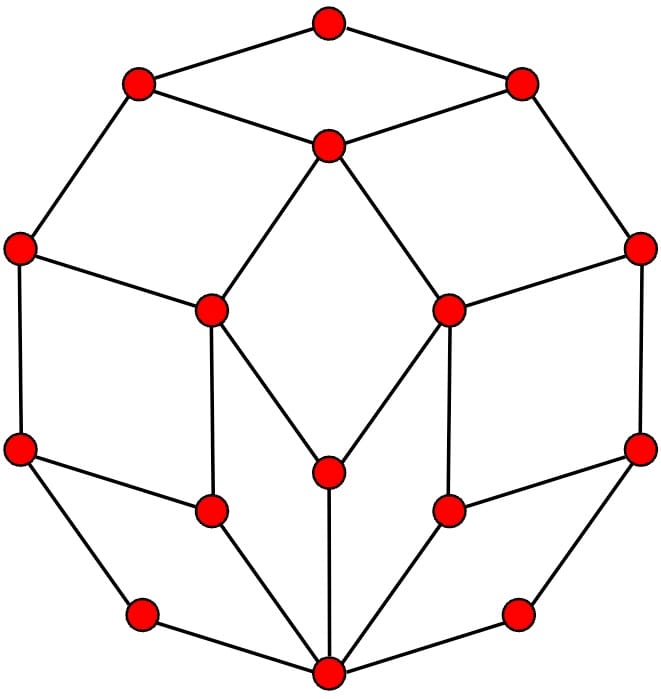
In physics, dimensions are directions needed to locate something. Britannica describes a line as one-dimensional, a plane as two-dimensional, and space as three-dimensional, and it describes spacetime as needing four numbers: three to fix a point in space and one to fix the time. We usually describe the physical world the same way: three of space and one of time. When people talk about "5D consciousness," they're borrowing that word for something else entirely. It's not a claim about spacetime.
In the spiritual usage, "dimensions" describe states of awareness. The common model looks something like this:
- Third dimension (3D): life experienced as separate, competitive, and driven by survival and material concern.
- Fourth dimension (4D): a transitional stage, more emotional and intuitive, where you start noticing your own patterns and inner life.
- Fifth dimension (5D): life experienced from love, presence, and a felt sense of connection, where fear stops running the show.
No instrument measures this. It's a language for describing inner change. Hold it loosely and it stays useful.
Where does the "new world" 5D idea come from?
The phrase "fifth dimension" is modern spiritual vocabulary, popular in New Age and New Thought circles. But the underlying claim is old: that how you perceive reality can shift, and that a calmer, more connected way of being is available to you.

Photograph courtesy of Library of Congress (Harris & Ewing Collection), Public domain
You can find loose parallels across traditions, without overstating the connection:
- Contemplative practices in various religious and philosophical traditions describe moving from a small, defended self toward wider awareness.
- Many wisdom traditions point to reducing fear and grasping as part of a path toward clarity.
The "new world" framing adds a hopeful note: that enough people making this inner shift could change how communities treat each other. That's an aspiration, not a prediction. Take it as encouragement to live differently, not as a forecast.
How is 5D different from 3D living?
The clearest way to understand 5D is by contrast. It's less about mystical experiences and more about your default responses.

In a 3D pattern, you react from fear: defending, comparing, rushing, treating life like a string of threats to manage. In a 5D pattern, the same situations meet a steadier mind. You still act, but from choice instead of reflex.
A plain comparison:
- Fear says "I have to win." Presence says "I can respond wisely."
- Scarcity says "There isn't enough." Connection says "I can share and still be okay."
- Separation says "It's me against them." Awareness says "We're more alike than not."
None of this requires abandoning practical life. You still pay bills, set boundaries, and feel hard feelings. The shift is internal, in where your actions come from.
Is this a real change or spiritual bypassing?
This is the honest question, and it matters. Spiritual bypassing means using lofty ideas to dodge real feelings, hard conversations, and ordinary responsibilities. Slapping "5D" on your problems doesn't solve them.

A genuine shift usually looks humble. You get more honest, not less. You feel your grief instead of floating above it. You repair relationships instead of declaring yourself "high vibration" and walking away.
Some guardrails to stay grounded:
- If an idea helps you avoid a real problem, be suspicious of it.
- Inner peace isn't the same as passivity. You can be calm and still act firmly.
- No state of consciousness, and nothing in this article, replaces medical, financial, legal, or mental health care when you need it. If you're facing a health, money, or legal decision, please talk to a qualified professional.
Depth and groundedness aren't opposites. The deepest change tends to make you more present, not more checked out.
How can you practice this without leaving your feet on the ground?
You don't need special beliefs to work with the core idea. Treat 5D as a set of practices you can test in your own life.

Try these, plainly:
- Notice your default. Several times a day, ask: am I responding from fear or from awareness right now?
- Slow the reaction. Before you answer a hard message, take one breath and choose your response.
- Practice enough. When scarcity thinking spikes, name one thing you actually have. Over time this can train a different reflex.
- Widen the circle. In conflict, look for the shared human need under the disagreement.
- Feel it fully. When emotion shows up, let it move through you instead of narrating it away.
Keep what makes you kinder and more honest. Drop anything that makes you feel superior or numb.
How does numerology fit into this?
Numerology is one tool among many for the same goal: knowing yourself more clearly so you can choose your responses with more awareness. It's offered here as a mirror for self-reflection, not a forecast of your future, and not medical, financial, legal, or psychological advice.

In The method, we use the Pythagorean system and honor the Master Numbers 11, 22, 33, and 44. These numbers aren't "higher dimensions." They're prompts. A Master Number in your chart is an invitation to look honestly at a particular tension in your life, not proof that you've arrived at some elevated state, and not a guarantee of any outcome.
Used this way, numerology and the 5D idea share a purpose. Both invite you to notice your patterns, meet yourself with less fear, and act from something steadier than reflex. Neither is a shortcut around the ordinary, patient work of becoming more self-aware.
What should you take away from all this?
The fifth dimension of consciousness is best understood as a direction, not a destination. It points toward living from presence and connection instead of fear and separation.

You don't have to believe any particular cosmology to use it. Just notice where your choices come from, and keep practicing the ones that make you more honest, more kind, and more free.
This article is offered for reflection and self-exploration. It is not medical, financial, legal, or psychological advice, and it makes no guaranteed predictions about future events. If you are navigating a serious decision in any of those areas, please seek guidance from a qualified professional.
Sources
Numerologist and Master Teacher
Brian Wroblewski is the founder of The Healer's Code. He reads charts with the Pythagorean system and teaches people how to understand the numbers they were born with.