TL;DR
Terminal lucidity is a brief, unexpected return of mental clarity in someone whose mind seemed lost to dementia or serious illness, often shortly before death. Science can describe it but cannot fully explain it. This article walks you through what is documented, what remains open, and how to meet a moment like this with presence rather than panic.
Terminal Lucidity Explained Without the Hype
Terminal lucidity is a sudden, unexpected return of mental clarity in a person whose mind seemed gone: someone with advanced dementia, a brain tumor, or another severe illness who briefly becomes coherent, recognizes family, and speaks with purpose. It often happens in the days or hours before death. Researchers can describe it, but they still can't explain how a damaged brain produces such a clear window.

If you've witnessed this, you're not imagining it, and you're not alone. It's one of the edge cases in medicine that current models don't tidily account for.
What exactly is terminal lucidity?
The term describes an episode where someone with serious, often irreversible cognitive decline recovers a striking amount of mental function shortly before dying.
A parent who hasn't recognized anyone for years suddenly says your name. A person who's been silent asks for a specific food, or wants to say goodbye. Accounts describe the clarity lasting anywhere from minutes to hours, though there's no reliable data on how often it lasts longer, since most reports come after the fact rather than from structured observation.
The word "terminal" points to the timing. These episodes cluster near the end of life. That timing is part of what makes them hard to explain, because the body is shutting down, not healing.
Is terminal lucidity real, or wishful thinking?
It's documented, though the research is still young. The German biologist Michael Nahm is widely credited with bringing modern scientific attention to the phenomenon and popularizing the term "terminal lucidity," gathering historical case reports and calling for careful study.
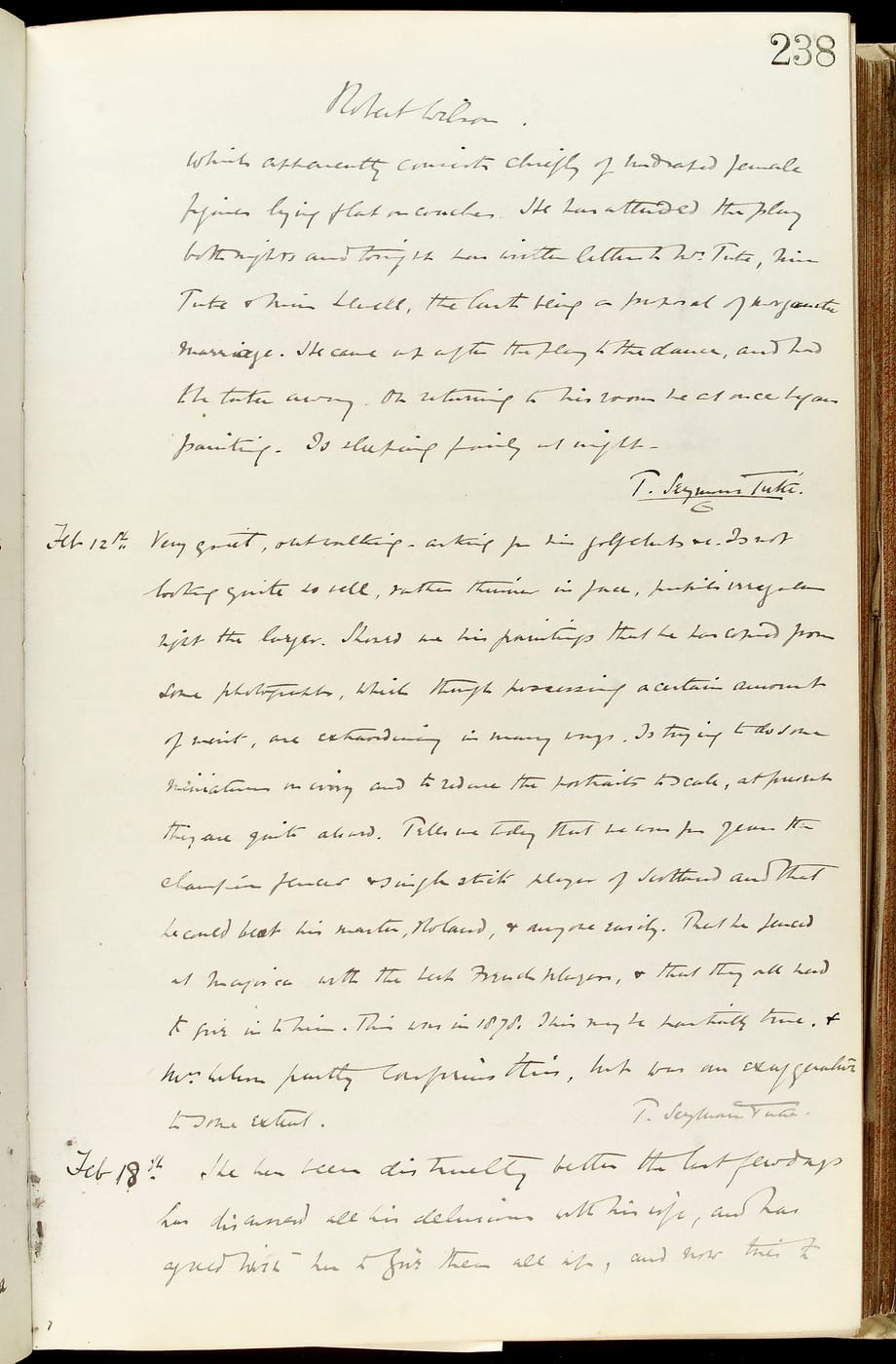
Photograph courtesy of Wellcome Collection, CC BY 4.0
Since then, some researchers in palliative care and neuroscience have published reviews and called for more structured data collection. What's missing is large, prospective study. Most accounts come from families and caregivers after the fact, which makes precise numbers unreliable.
So the honest position is this: the experience is widely reported by credible witnesses, and it deserves study, but nobody should hand you a confident statistic about how often it happens or why.
Why can't science fully explain it?
Because the clarity shows up exactly when the brain should be least capable of producing it.
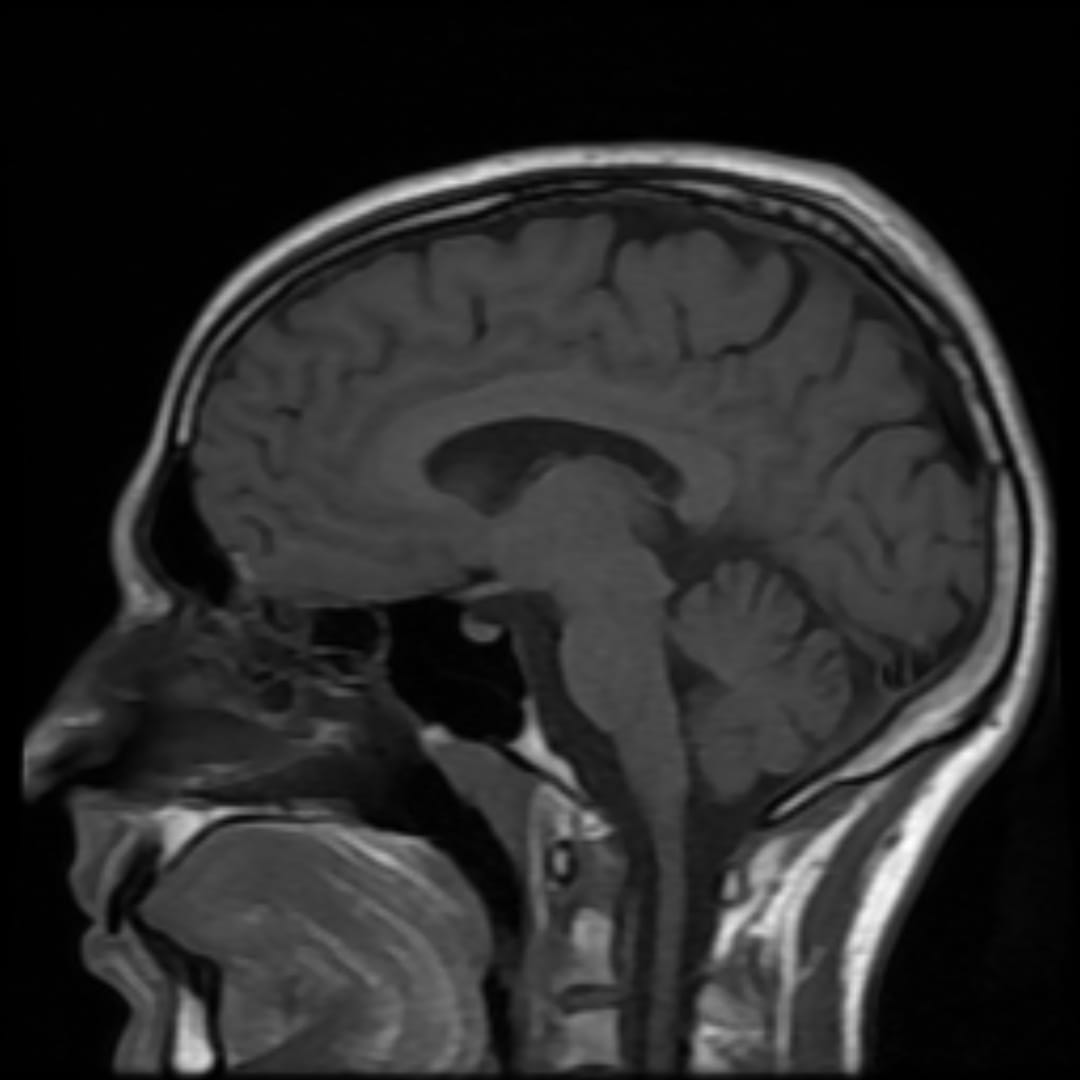
Photograph courtesy of 511KeV, CC BY-SA 4.0
In advanced dementia, brain tissue is physically damaged. The working assumption is that lost function tracks lost structure. Terminal lucidity complicates that picture. If the structure is gone, where does the coherent conversation come from?
Researchers have offered ideas: shifts in brain chemistry as the body declines, changes in inflammation or blood flow, or networks that reorganize under stress. These are reasonable directions, not settled answers. The gap between what we can measure and what families witness is exactly what makes this a live scientific question, similar to the open territory covered in What Science Actually Understands About Consciousness.
Holding that gap honestly matters more than filling it with a neat story.
How is it different from a savant-like emergence?
Both belong to the family of clinical anomalies, but they're not the same event.
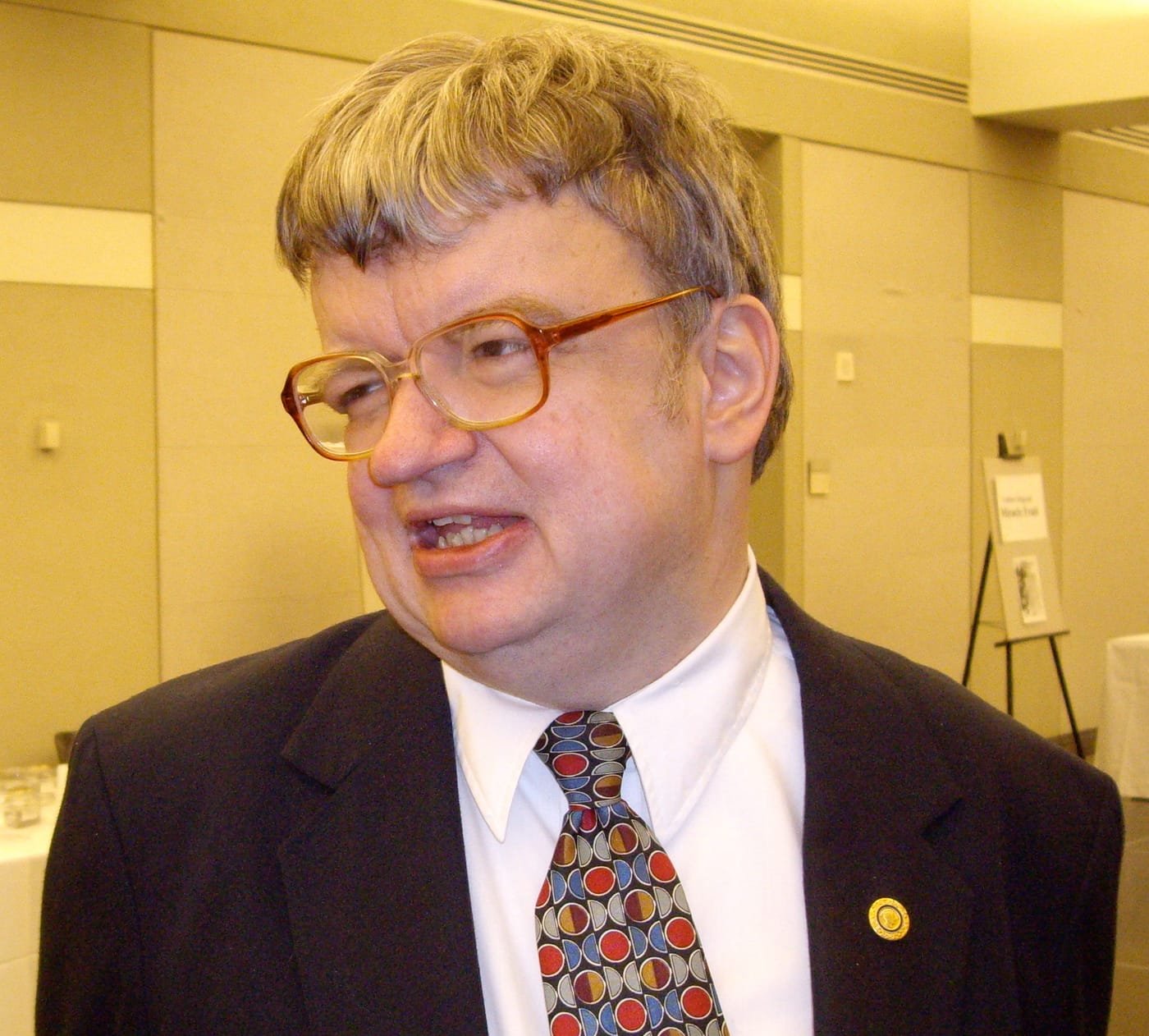
Photograph courtesy of Dmadeo, CC BY-SA 3.0
Terminal lucidity is a return of a person's own former self near death. Sudden savant syndrome, by contrast, is the appearance of new skills, often after a head injury or amid neurological change, that the person didn't have before.
What they share is a challenge to the idea that ability maps cleanly onto brain condition. Both remind you that the mind is stranger and more resilient than a simple damage-equals-deficit model suggests, a theme also explored in Consciousness and Astral Travel: What Leaves, What Stays, and How to Practice Safely.
What should you do if you witness it?
Be present, and keep it simple. This is not a moment to test the person or demand explanations.
Photograph courtesy of Finnish Heritage Agency (Museovirasto), CC BY 4.0
- Stay calm and speak naturally. Your steadiness helps them feel safe.
- Listen more than you talk. If they want to say something, let them.
- Say what matters to you. "I love you." "Thank you." "It's okay."
- Don't assume it means recovery. Clarity near the end is often part of dying, not a reversal of it.
- Tell the care team, especially in hospice, so they can support the whole family.
Afterward, write down what happened while it's fresh. Memory blurs, and these moments are worth keeping. Sitting with a guided meditation afterward can also help you process what you witnessed.
Where does self-reflection fit into all this?
When you sit with an anomaly like this, the useful question isn't "what does it predict" but "what does it ask of me." That's where a reflective practice can help you process, without pretending to explain the unexplainable.

Photograph courtesy of Cathryn Lavery, CC0
At The Healer's Code we treat numbers the same way: as a mirror for self-reflection, not a forecast, and not medical, psychological, legal, or financial advice. If you want to understand how we approach that kind of inner work, the method lays out the Pythagorean system and the way we hold Master Numbers 11, 22, 33, and 44 as points of reflection rather than prediction. If you want a more personal starting point, you can get your Soul Blueprint or explore the community that gathers around these questions.
A tool for reflection can help you name grief, mark meaning, and pay attention. It can't tell you why a fading mind cleared for one last conversation, and it isn't meant to. Some things are meant to be witnessed rather than solved.
The quiet takeaway
You don't need a full explanation to honor what you saw. Terminal lucidity sits at the edge of what medicine can currently account for, and that edge is a place for humility, not certainty.

Photograph courtesy of domdomegg, CC BY 4.0
If it happens near you, be there. If it already happened, trust your memory of it. The mystery doesn't diminish the moment. It deepens it.
Sources
- Terminal Lucidity in People with Mental Illness and Other Mental Disability: An Overview and Implications for Possible Explanatory Models (Nahm, 2009, Journal o
- Terminal lucidity: A review and a case collection (Nahm, Greyson, Kelly, Haraldsson, 2012)
- A Multi-Site Prospective Study of Paradoxical Lucidity in Moderate to Severe Dementia
- The Sudden Savant: A New Form of Extraordinary Abilities (Treffert & Ries, 2021, WMJ)
Numerologist and Master Teacher
Brian Wroblewski is the founder of The Healer's Code. He reads charts with the Pythagorean system and teaches people how to understand the numbers they were born with.